5D / 4N
9% OFF


Explore The Valleys Of Kashmir, From Gulmarg To Gurez
The Kashmir Valley is one long Himalayan bowl, about 135 km end to end, and tucked inside it are the smaller valleys most people actually come to see: Gulmarg’s ski slopes, the Lidder gorge above Pahalgam, the meadows of Sonmarg and Yusmarg, and the far quieter Gurez and Bangus in the north. This guide covers 12 of the most beautiful valleys in Kashmir, with the real distance from Srinagar, the months each one is worth visiting, and how to string several into a single trip. Two names you will see on other lists, Nubra and Dha Hanu, sit in Ladakh, so they are not counted here. Everything below reflects an October 2026 refresh.
How we put this guide together: the distances, road-opening windows, permit rules and best-visit months were cross-checked against J&K Tourism, district administration notices and current road advisories.
Key takeaways
- Count on 12 valleys worth the drive, from Doodhpathri (about 42 km from Srinagar) to Tulail (up to about 190 km).
- Go April to October for the meadows; December to February is for snow in Gulmarg, Pahalgam and, since the Z-Morh tunnel, Sonmarg.
- Base in Srinagar and day-trip the close ones: Yusmarg and Doodhpathri are both under 50 km out.
- Leave Nubra and Dha Hanu off a Kashmir trip. They are in Ladakh, two or more days’ drive east of Srinagar.
- Plan Gurez, Tulail, Bangus and Keran for late May to early November, once the Razdan Pass and the Kupwara mountain roads clear; Keran also needs a Kupwara district permit.
The 12 valleys of Kashmir at a glance
Distances are by road from Srinagar and rounded to the nearest few kilometres. Offbeat marks the northern and border valleys that stay closed through winter and need more planning.
| Valley | District | From Srinagar | Best time | Known for | Offbeat? |
|---|---|---|---|---|---|
| Gulmarg | Baramulla | ~50 km | Dec-Feb (ski), May-Sep | Skiing, gondola, golf | No |
| Pahalgam (Lidder) | Anantnag | ~90 km | Apr-Oct | Lidder River, Amarnath base, pony trails | No |
| Betaab Valley | Anantnag | ~98 km | Apr-Oct | Film-famous riverside meadow | No |
| Aru Valley | Anantnag | ~100 km | May-Oct | Trek base (Kolahoi, Tarsar) | No |
| Sonmarg (Sindh) | Ganderbal | ~80 km | May-Oct | Thajiwas Glacier, trout, Zojila gateway | No |
| Yusmarg | Budgam | ~47 km | Apr-Oct | Quiet meadows, Nilnag Lake | No |
| Doodhpathri | Budgam | ~42 km | Apr-Oct | Alpine meadow closest to Srinagar | No |
| Gurez Valley | Bandipora | ~123 km | Jun-Oct | Kishanganga, Habba Khatoon peak, Dard culture | Yes |
| Tulail Valley | Bandipora | ~160-190 km | Jun-Sep | Remote Dard villages beyond Gurez | Yes |
| Bangus Valley | Kupwara | ~100-130 km | Jun-Sep | Twin grassland bowls | Yes |
| Lolab Valley | Kupwara | ~114 km | May-Oct | Rural rice-field valley, Kalaroos caves | Yes |
| Keran | Kupwara | ~140 km | May-Oct | Riverfront village on the Kishanganga | Yes |
India
Kashmir
12 valleys with real distances from Srinagar, the best months and how to plan a valley circuit
Best Time
April - October
Select Package Type
Best Selling Packages


The most beautiful valleys in Kashmir
The 12 valleys in travel order, from the popular Gulmarg, Pahalgam and Sonmarg circuit to the offbeat northern and border valleys of Gurez, Tulail, Bangus, Lolab and Keran, followed by what the Vale of Kashmir is, the best time to visit and a step-by-step plan for the trip.
Explore Popular Destination In Kashmir
01
Gulmarg, the two-season valley
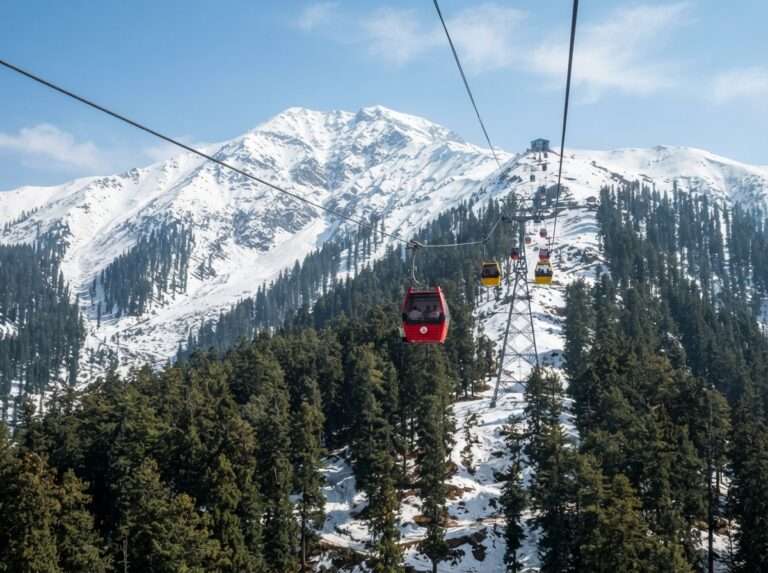
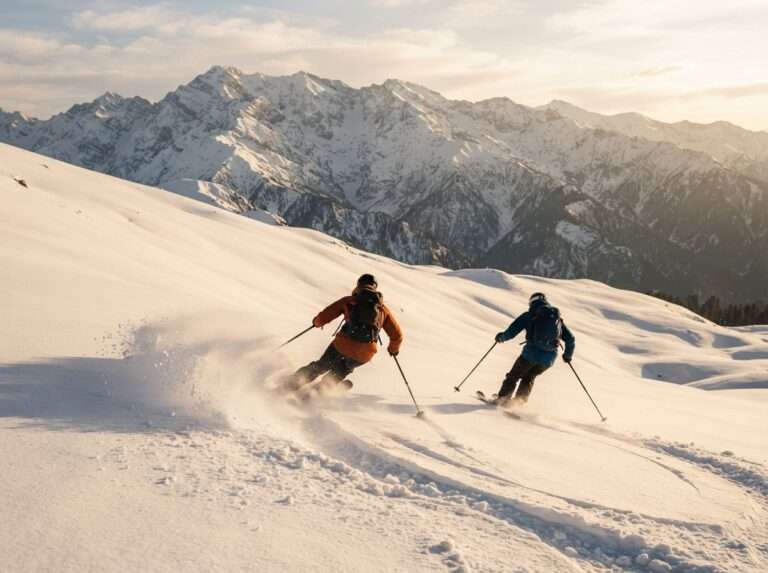
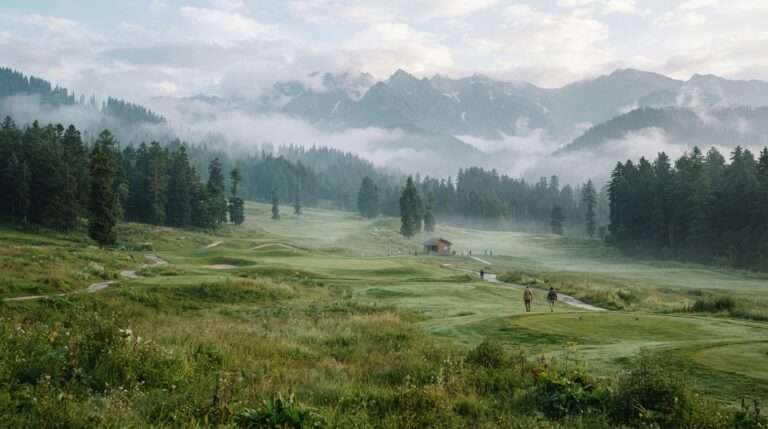
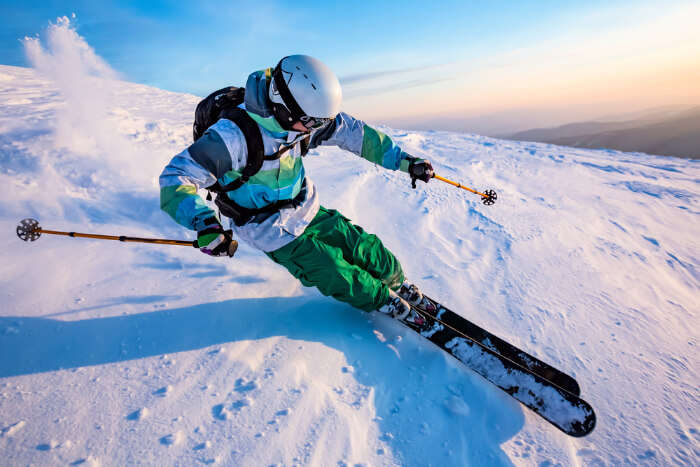
Gulmarg is the one valley that runs two seasons hard. From December to February it is India’s main ski resort, and the Gulmarg Gondola climbs to Apharwat at around 3,980 m, one of the highest cable cars anywhere. Come May, the same slopes turn into a green meadow ringed by the Pir Panjal, and the golf course, one of the highest in the world, reopens. It is a 90-minute drive from Srinagar, close enough for a day trip but better as an overnight if you want an early gondola slot. Gondola tickets for both phases are sold online in advance for fixed time slots on the official JKCCC portal, so book before you go rather than counting on the counter.
Our Gulmarg travel guide has more on the town.
| Getting there | 90-minute drive from Srinagar via Tangmarg |
| Base town | Tangmarg or Gulmarg itself |
| Time needed | Full day, or one night |
| Don't miss | Gondola Phase 2 up to Apharwat |
Related Tour Packages


❮
❯
02
Pahalgam and the Lidder Valley
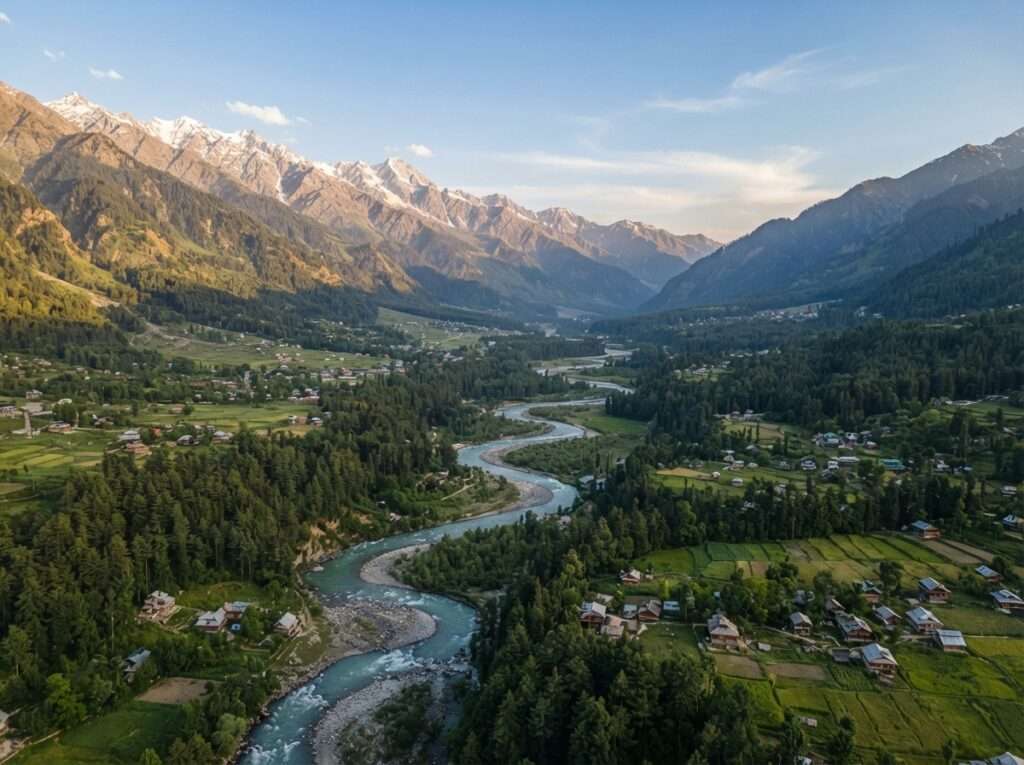
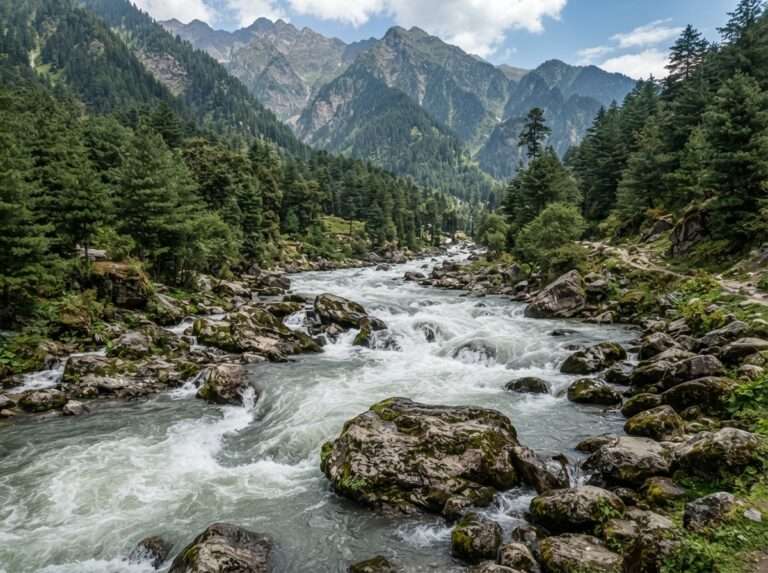
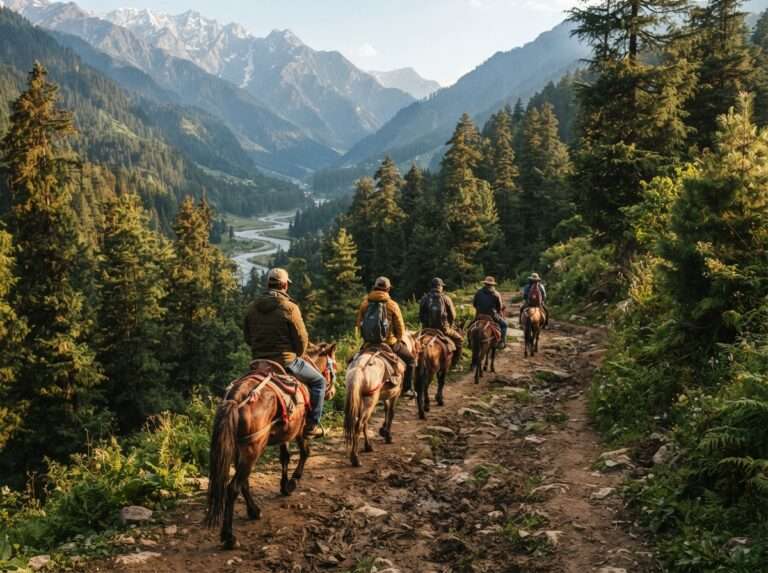
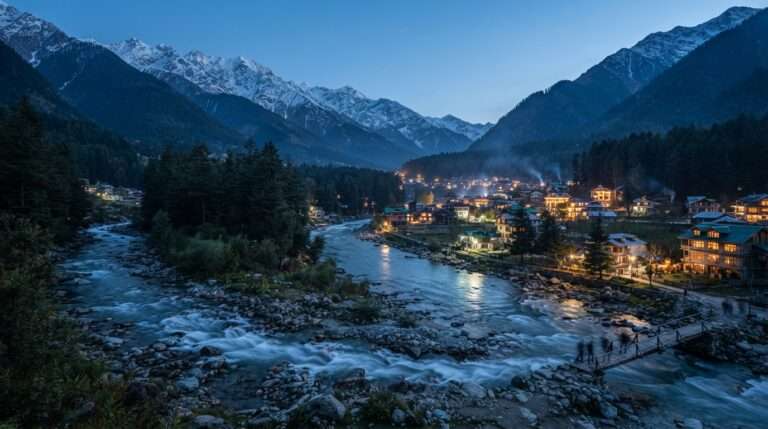
Pahalgam sits where the East Lidder (fed from Sheshnag lake) and the West Lidder (fed by the Kolahoi glacier) meet, and the whole Lidder Valley is the classic Kashmir picture: pine slopes, a fast grey-green river, and pony trails climbing towards Aru and Chandanwari. It is also the base town for the Pahalgam route of the Amarnath Yatra each summer; the trek itself starts at Chandanwari, about 16 km further up the valley. Most people spend two nights here and use it as the base for Betaab and Aru, both a short drive further up the valley. Baisaran, the meadow above town, has stayed closed to visitors since the April 2025 attack, so check its status locally before planning around it.
See our Pahalgam travel guide for stays and things to do.
| Getting there | 2.5-hour drive from Srinagar |
| Base town | Pahalgam |
| Time needed | 2 nights |
| Don't miss | Lidder riverside walk, Chandanwari |
Related Tour Packages


❮
❯
03
Betaab Valley
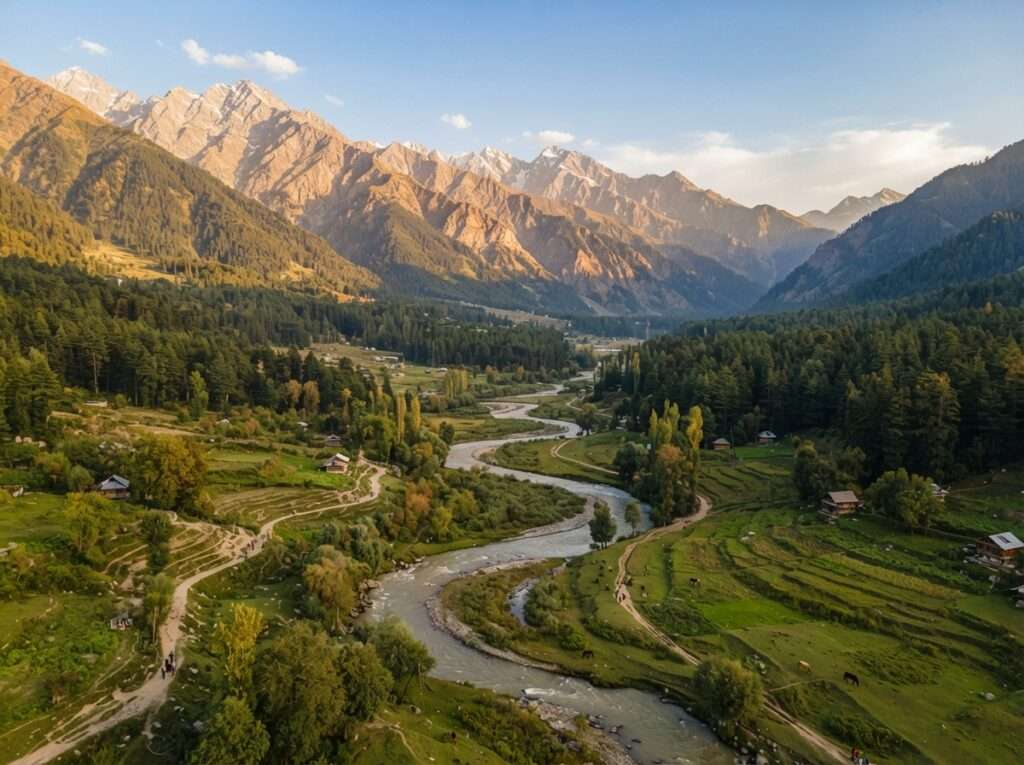
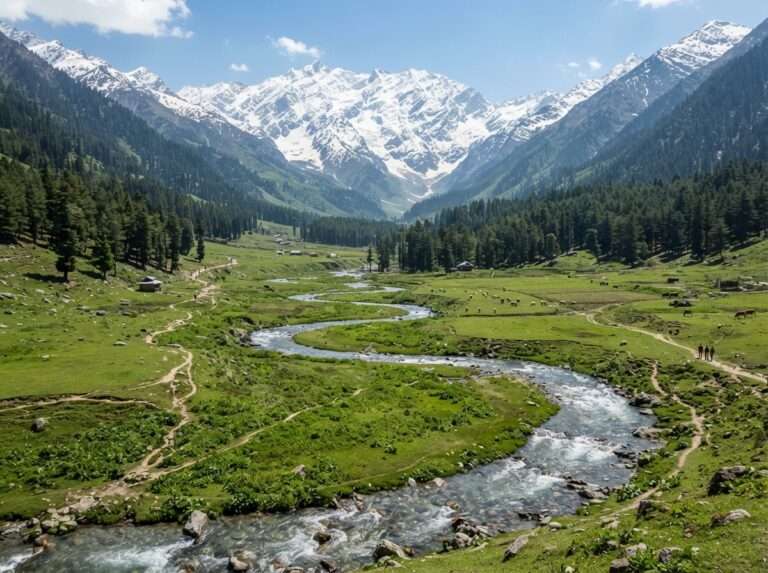
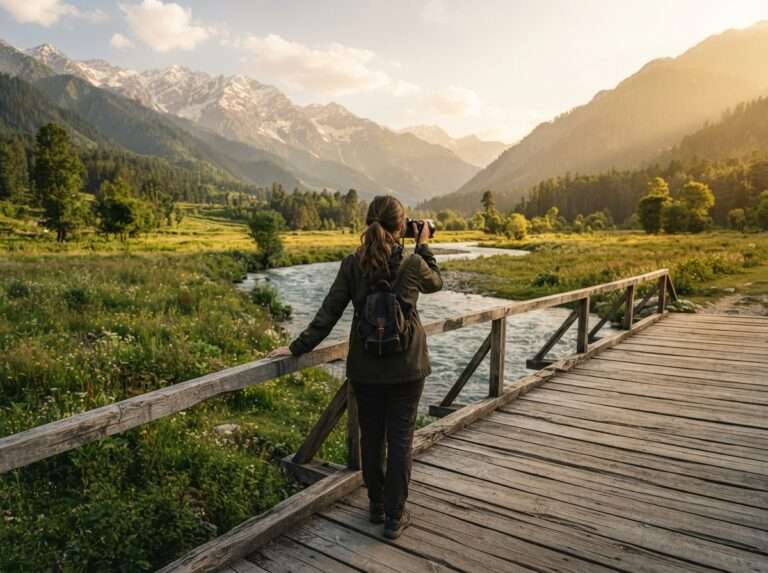
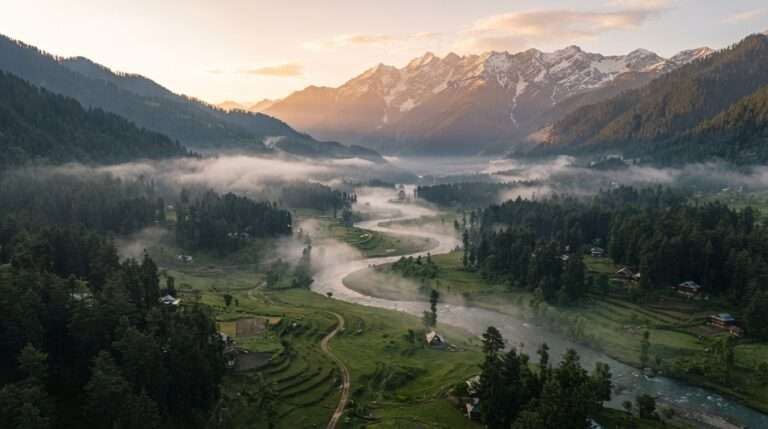
Betaab Valley is about 8 km up the Chandanwari road from Pahalgam, named after the 1983 film shot here. It is a flat green floor with the Lidder running through it and snow peaks closing off the far end, which is why it fills with photographers by mid-morning. There is a small entry ticket and a short walk in from the car park. Half a day covers it, usually paired with Aru and Chandanwari on the same drive. Outstation tourist cabs (yellow-plate) are not allowed beyond Pahalgam to Betaab, Aru and Chandanwari, so most visitors hire a local union taxi from the Pahalgam taxi stand, which runs fixed-rate trips covering all three; private self-driven cars can usually go up.
More detail is in our Betaab Valley guide.
| Getting there | About 8 km up-valley from Pahalgam |
| Base town | Pahalgam |
| Time needed | Half day |
| Don't miss | Riverside meadow and film spot |
Related Tour Packages


❮
❯
04
Aru Valley
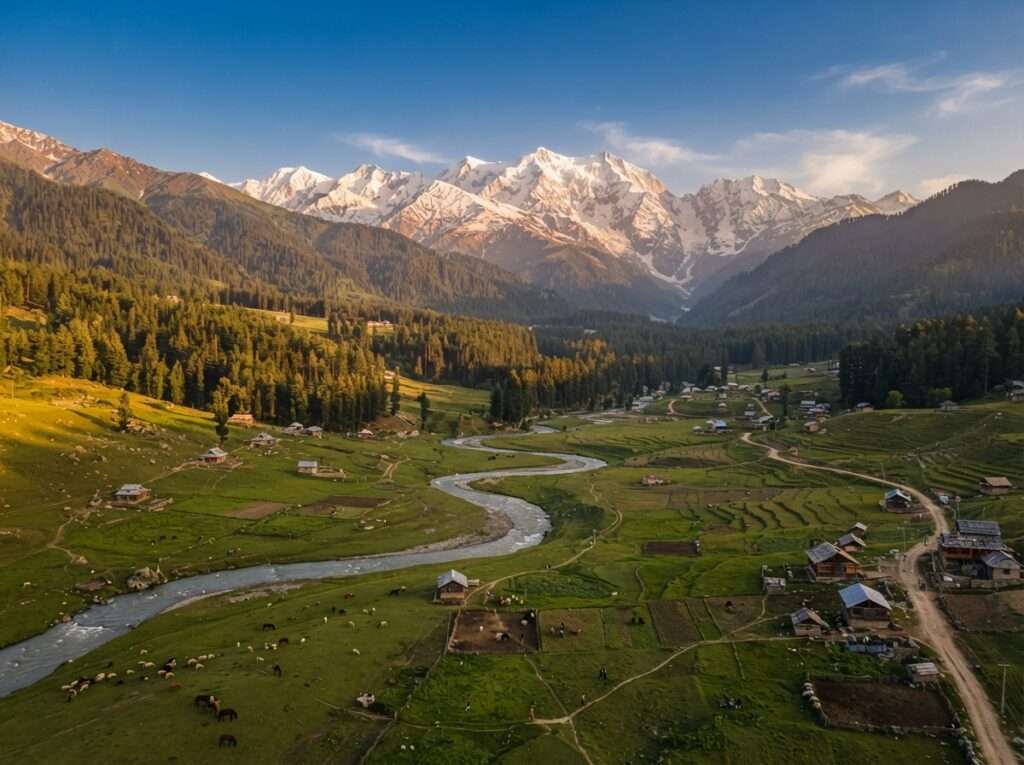
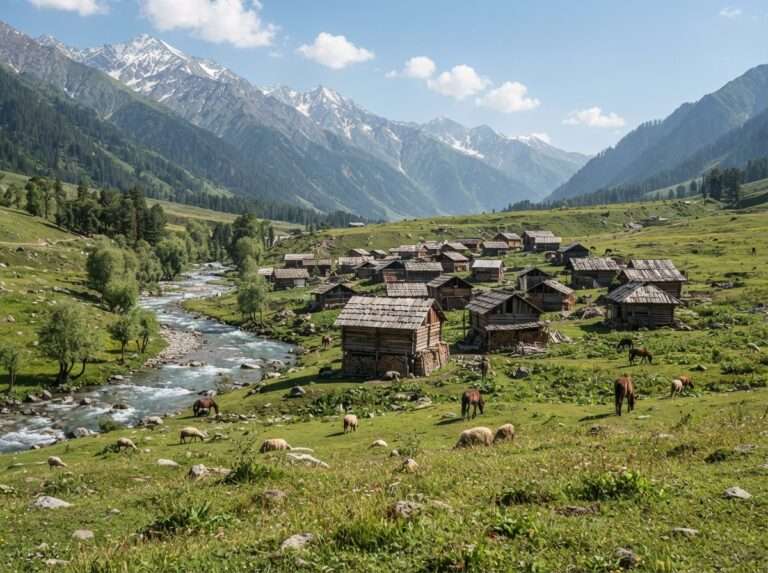
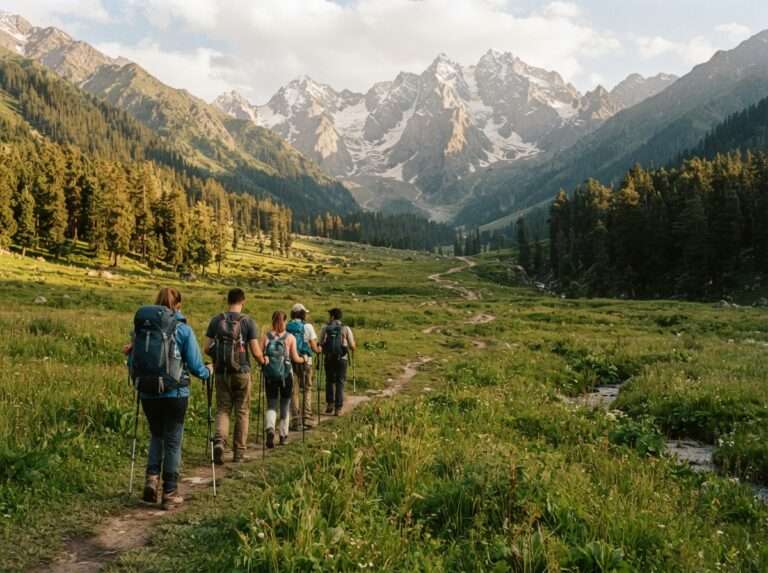
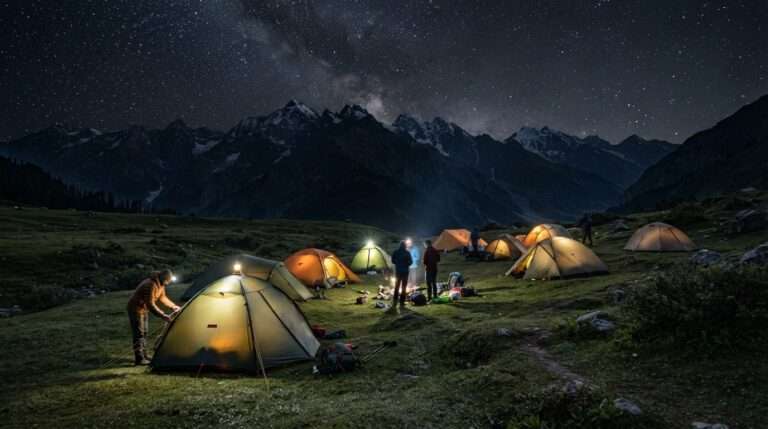
Aru is a small shepherds’ village and meadow about 12 km beyond Pahalgam, and it is where the Kolahoi and Tarsar-Marsar treks begin. The road in is rougher than Betaab’s, which keeps the crowds thinner, and the meadow itself is wide open with the river running along one edge. Trekkers use it as a first camp; day-trippers come for a couple of quiet hours and a plate of river trout.
Read our Aru Valley guide before you go.
| Getting there | 12 km beyond Pahalgam on a rough road |
| Base town | Pahalgam or Aru |
| Time needed | Half to full day |
| Don't miss | Trek start point, trout lunch |
05
Sonmarg and the Sindh Valley
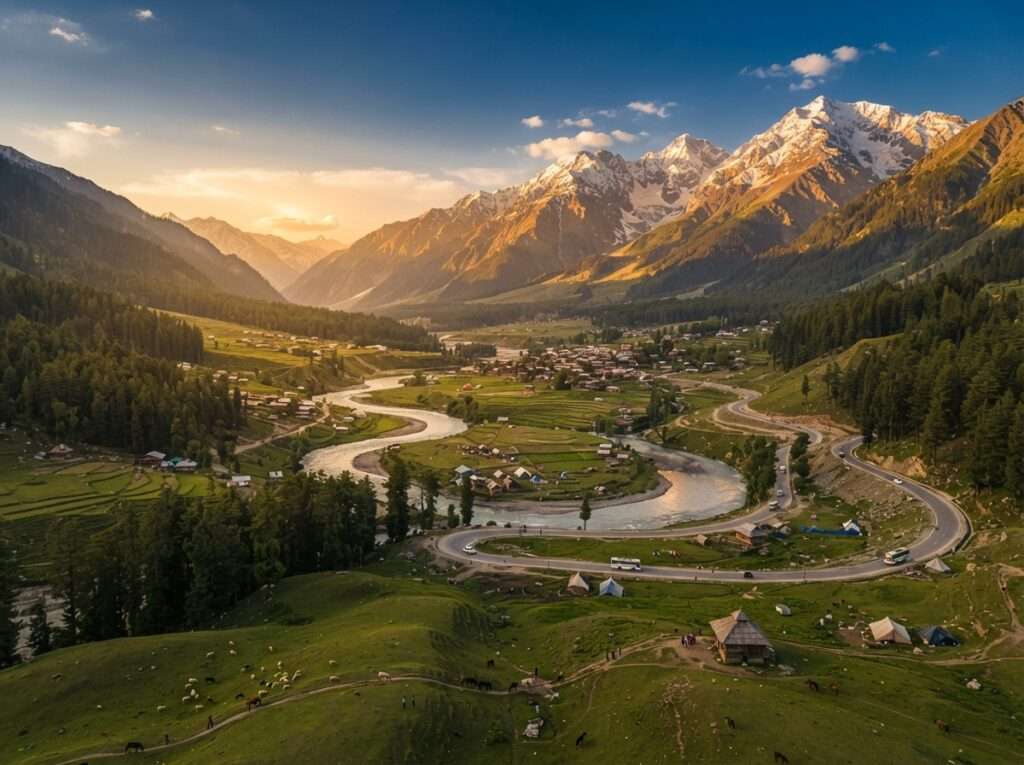
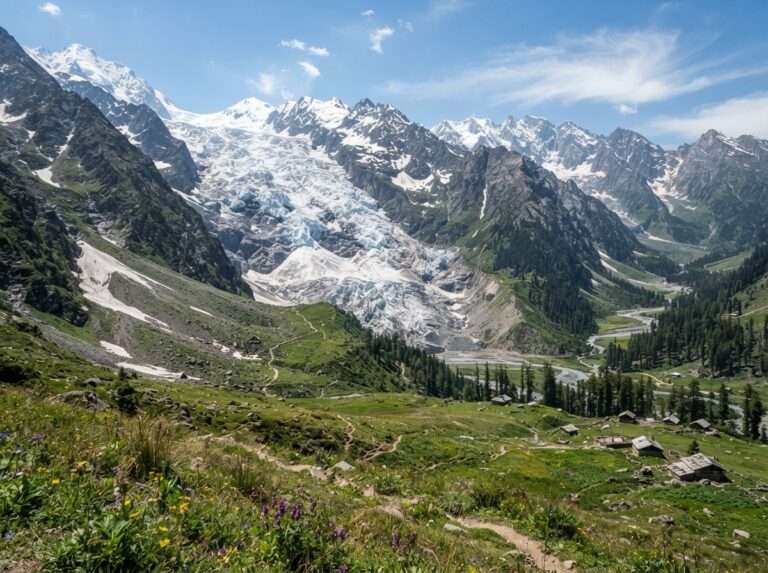
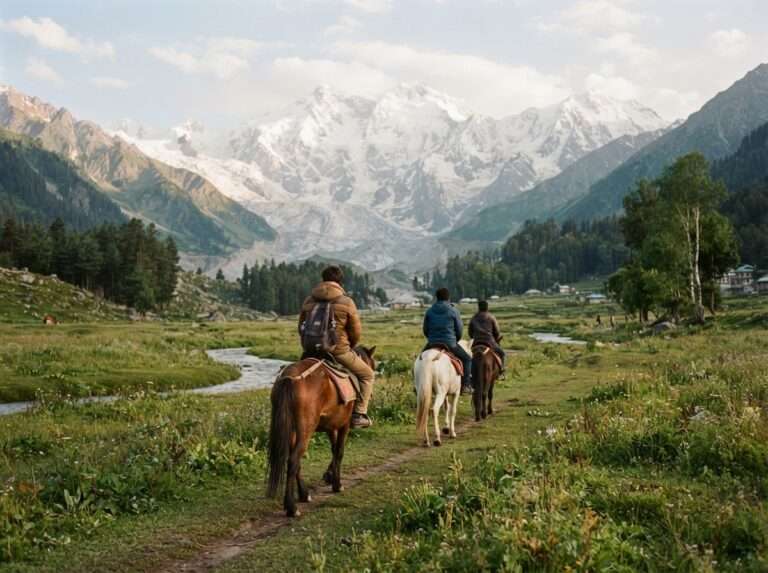
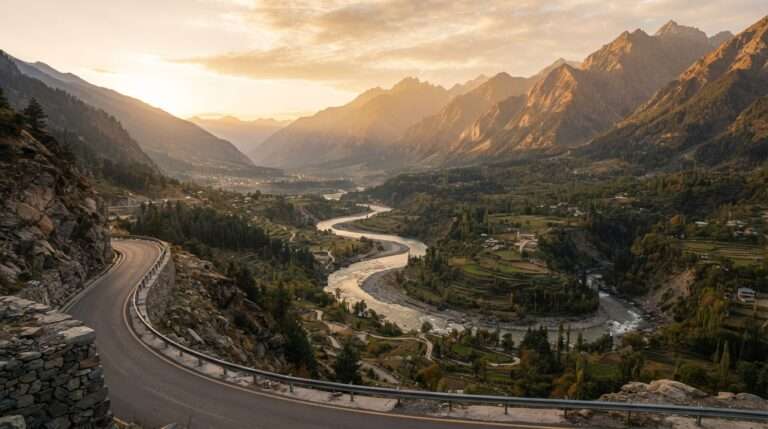
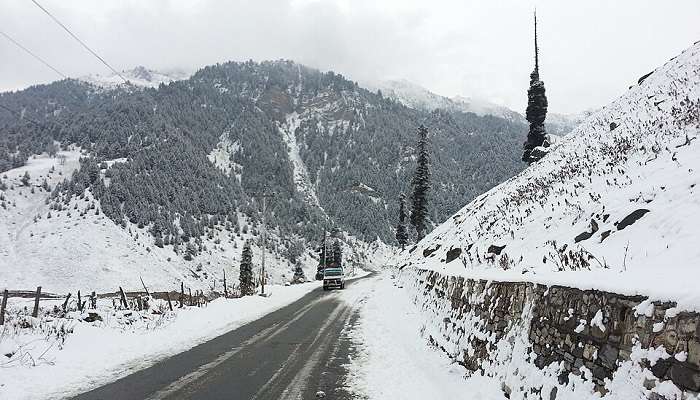
Sonmarg, the meadow of gold, sits at the head of the Sindh Valley on the road to Ladakh, right below the Zojila Pass. The Thajiwas Glacier is a short pony ride or walk from the meadow, and the Sindh River here is one of the best trout stretches in Kashmir. Meadow season runs May to October, but since the Z-Morh (Sonamarg) tunnel opened in January 2025, Sonmarg itself stays reachable in winter for snow days; only the road on over Zojila closes. It works as a long day trip from Srinagar, or as the natural first night if you are driving on to Ladakh.
Our Sonamarg guide covers the glacier and the stays.
| Getting there | 2.5 to 3-hour drive from Srinagar |
| Base town | Sonmarg |
| Time needed | Long day, or one night |
| Don't miss | Thajiwas Glacier pony ride |
06
Yusmarg
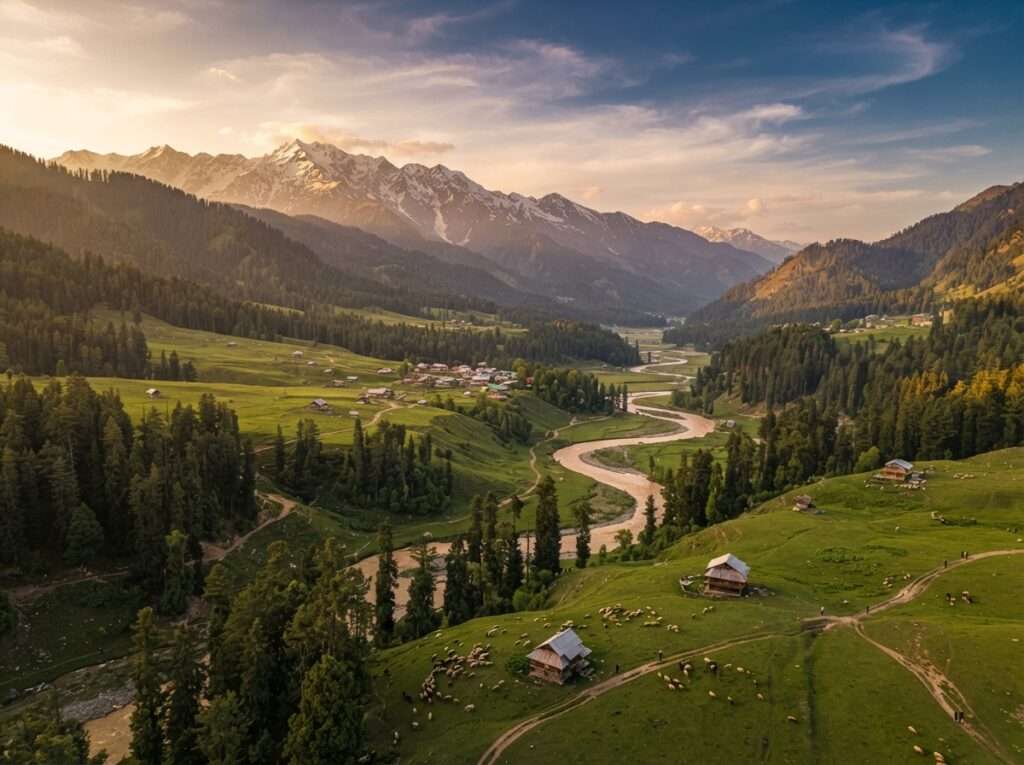
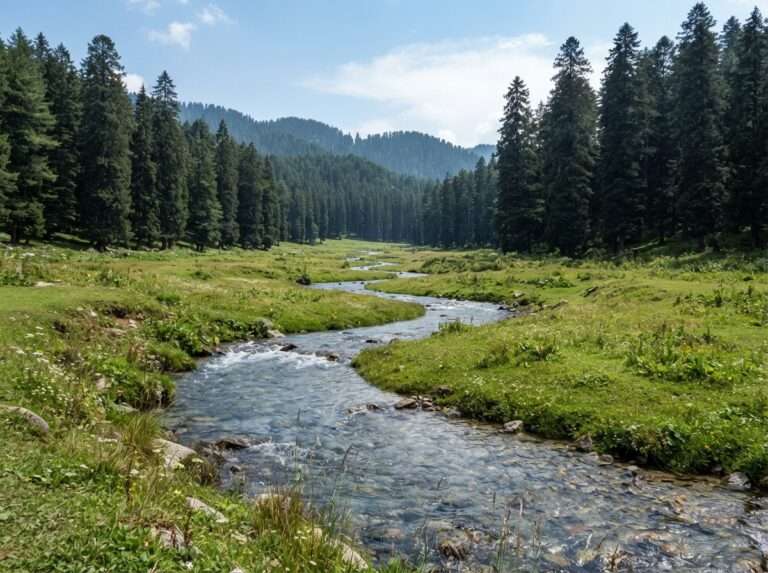
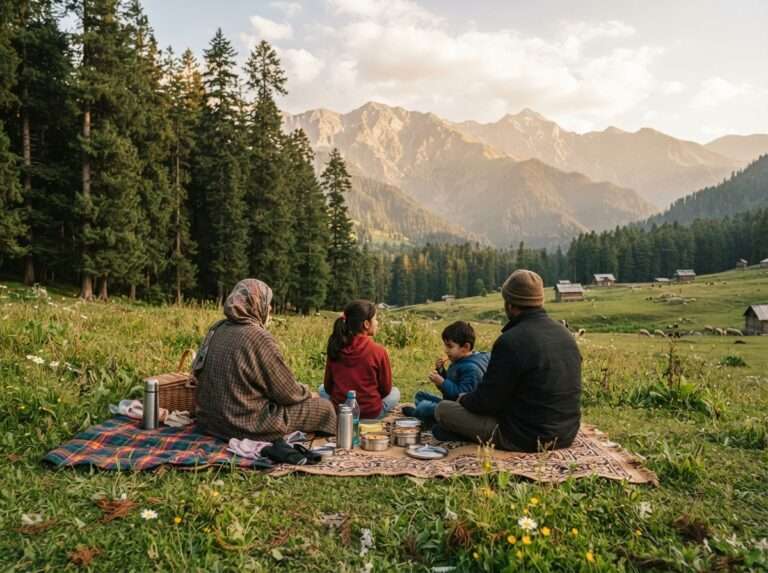
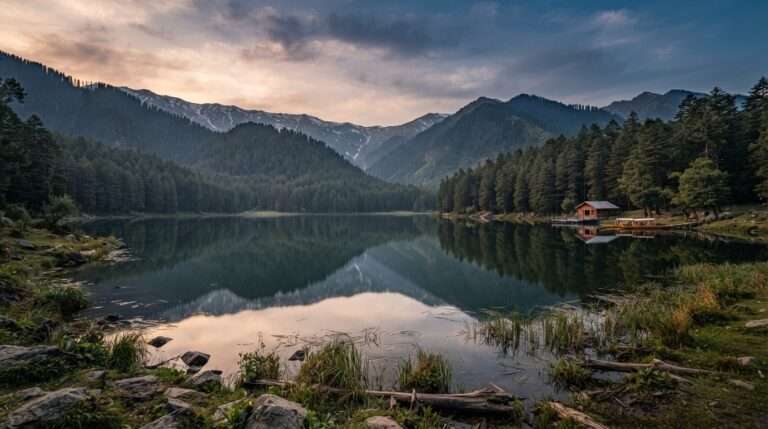
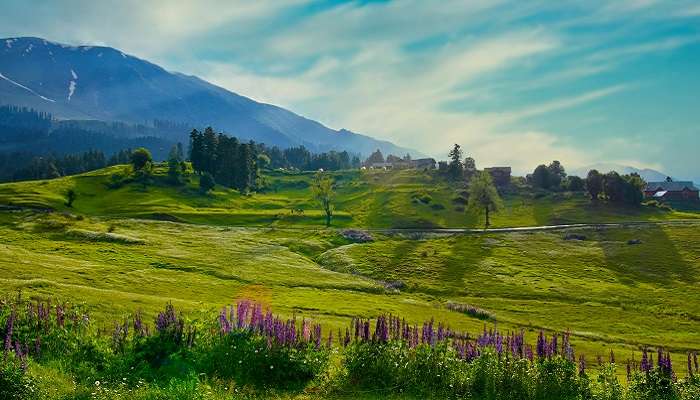
Yusmarg is the quiet meadow most Srinagar day-trippers overlook, about 47 km southwest in Budgam. The Doodh Ganga stream runs through it, and easy walks lead up to Nilnag Lake and the higher Yusmarg meadows without any hard climbing. There are no big hotels, which is the point. Bring a picnic, hire a pony for the upper meadow, and you can be back in Srinagar by evening.
| Getting there | About 1.5-hour drive from Srinagar |
| Base town | Charar-i-Sharief or Yusmarg |
| Time needed | Half day |
| Don't miss | Nilnag Lake walk |
07
Doodhpathri
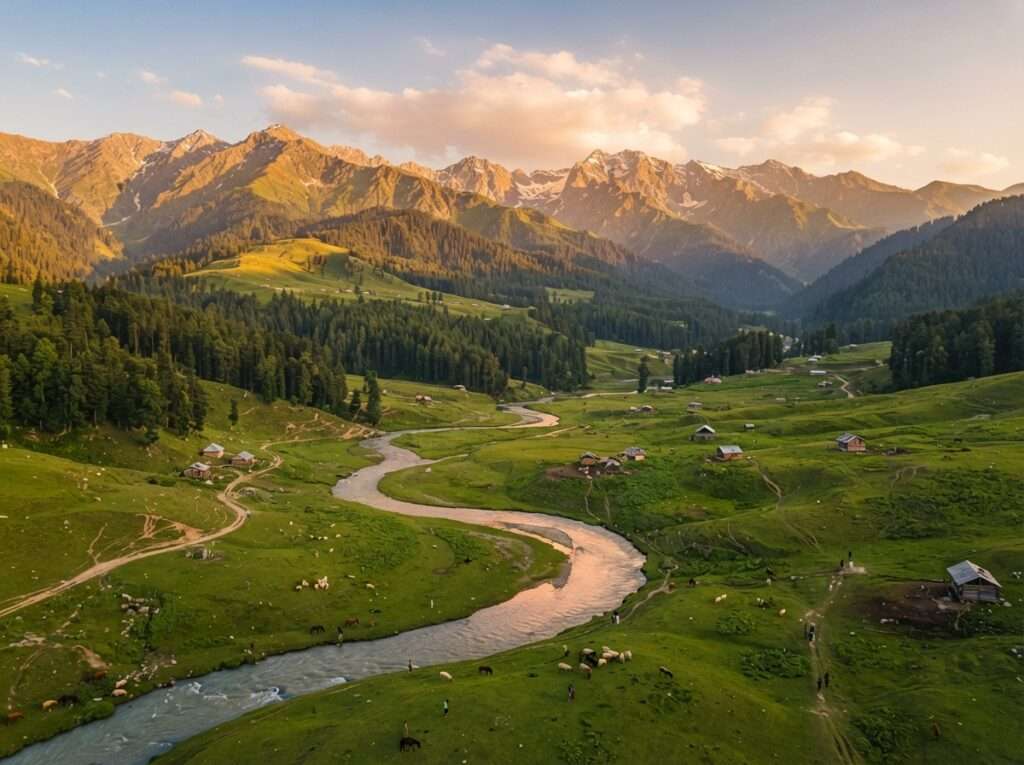
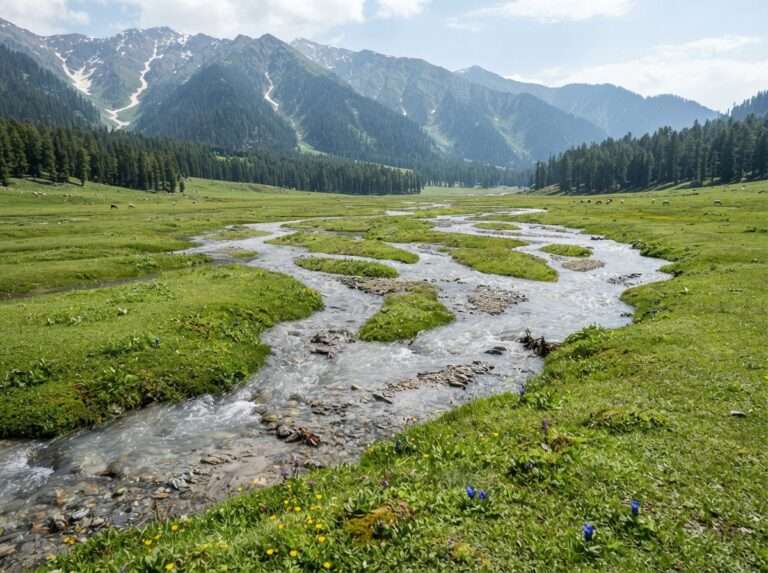
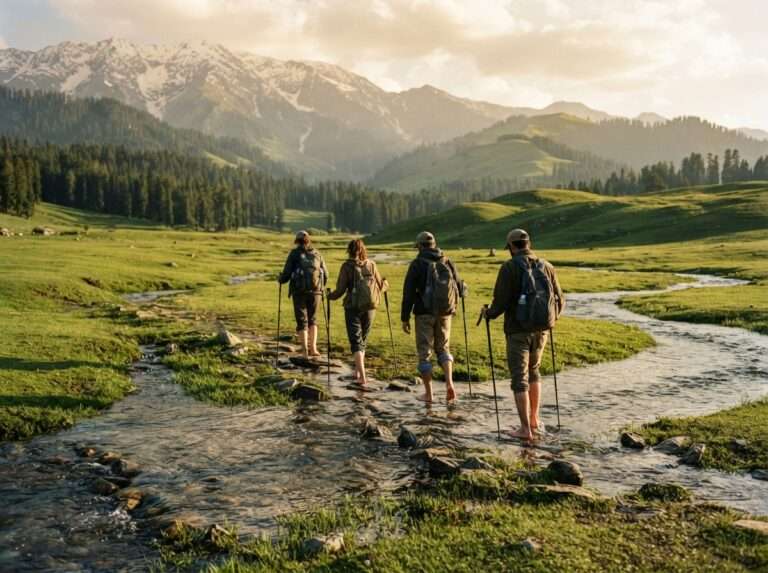
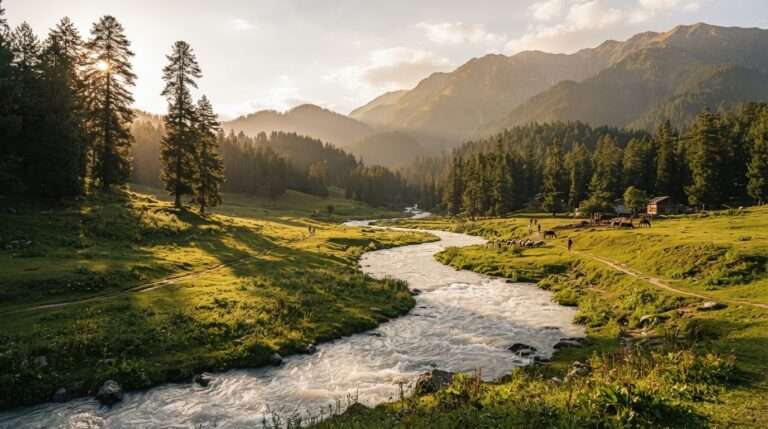
Doodhpathri, the valley of milk, is the closest true alpine meadow to Srinagar, about 42 km out in Budgam. The Shaliganga stream splits into shallow silvery channels across the grass, which is where the name comes from. It stays greener and far less built up than Gulmarg, so it is the easy half-day escape when you want meadows without the crowds. The last stretch of road is narrow but paved.
| Getting there | About 1.5-hour drive from Srinagar |
| Base town | Khansahib or Doodhpathri |
| Time needed | Half day |
| Don't miss | Shaliganga's braided meadow channels |
Offbeat and hidden valleys of Kashmir
These are the valleys this guide gets asked about most, and the ones worth a return trip. They sit in the north and along the Line of Control, so they open late, close early, and reward travellers who plan the drive and the paperwork in advance.
08
Gurez Valley
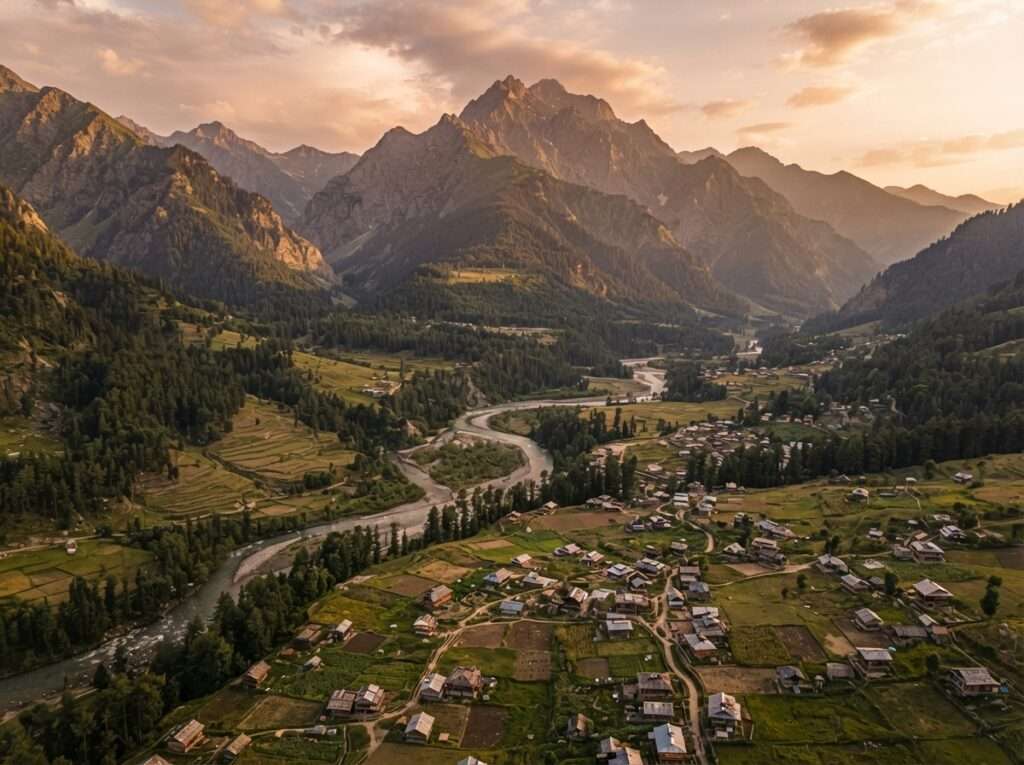
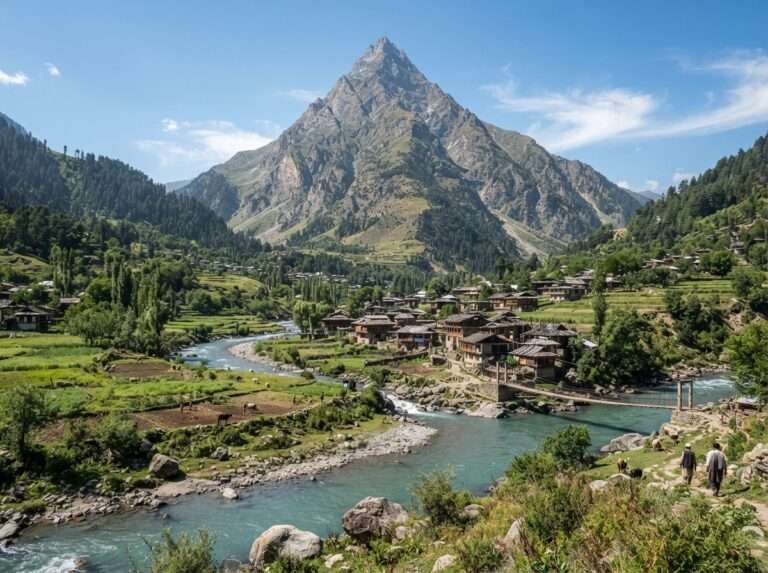
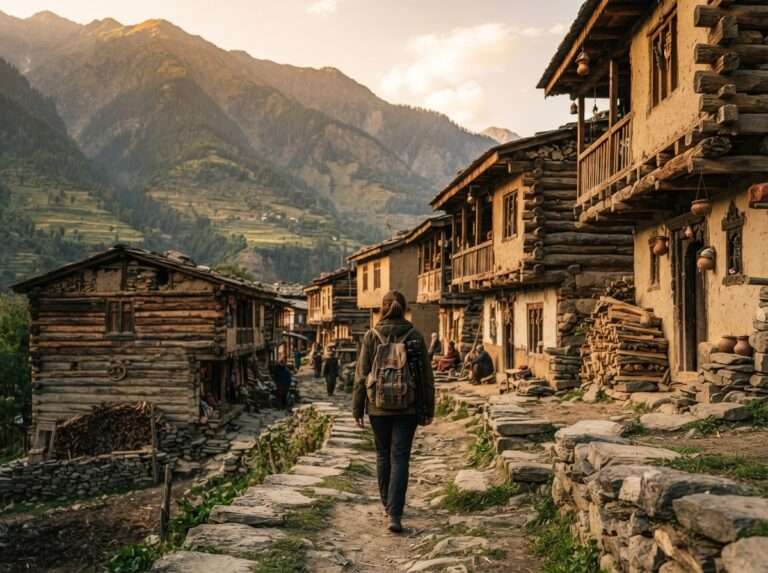
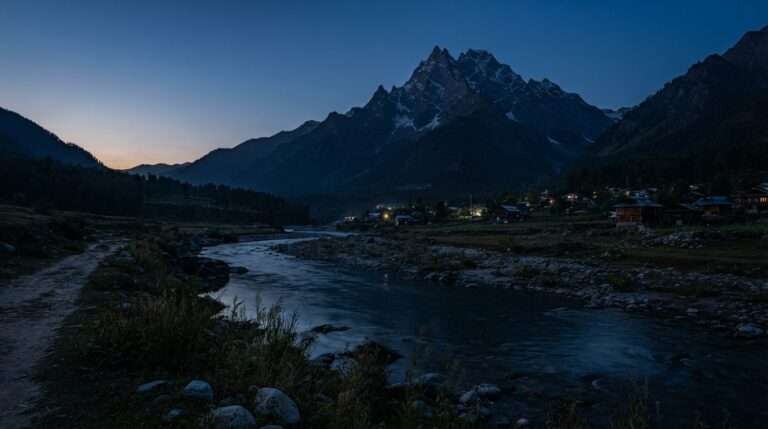
Gurez is the valley most people mean when they say hidden Kashmir, and the first of the offbeat northern and border valleys on this list. These open late, close early, and reward travellers who plan the drive and the paperwork in advance. Gurez sits on the Kishanganga River near the Line of Control, reached over the Razdan Pass at about 3,550 m, which is why the road is open only from roughly late May to early November. The village of Dawar, the pyramid-shaped Habba Khatoon peak and the log-and-mud Dard-Shin houses make it feel a long way from the Srinagar circuit. Plan two nights; it is a full day’s drive each way.
| Getting there | 6 to 7-hour drive over the Razdan Pass |
| Base town | Dawar |
| Time needed | 2 nights |
| Don't miss | Habba Khatoon peak at sunrise |
09
Tulail Valley
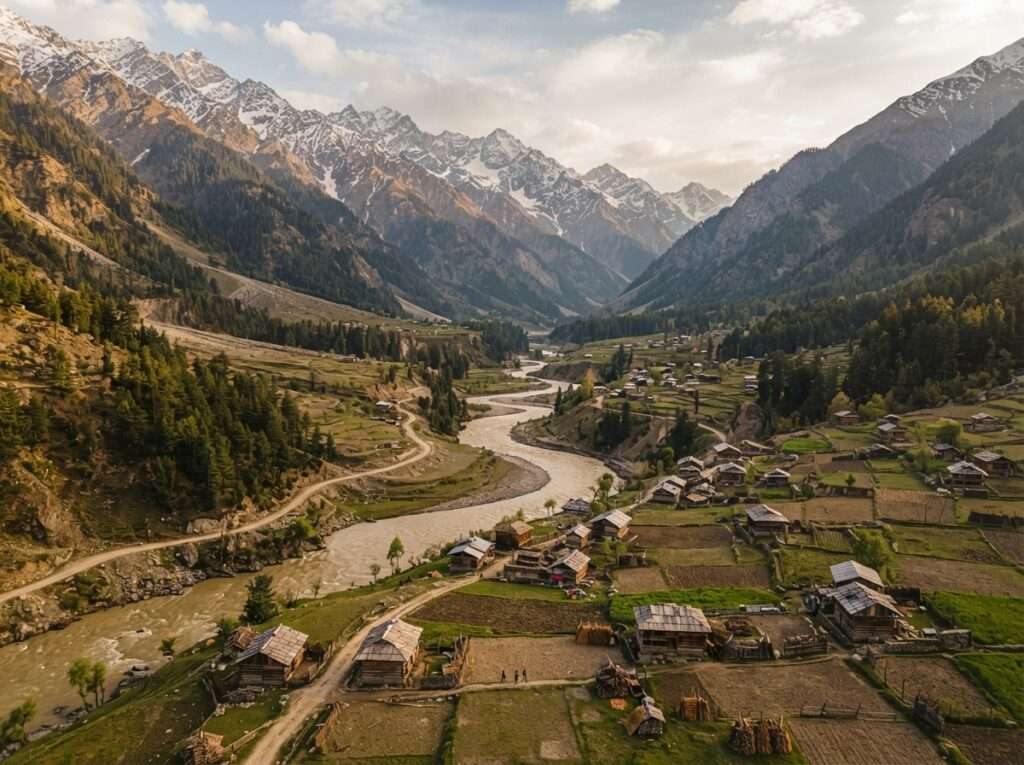
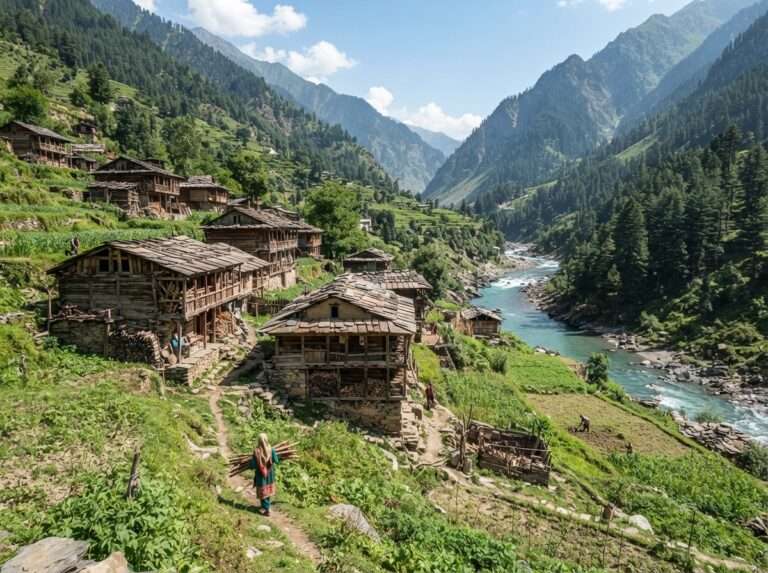
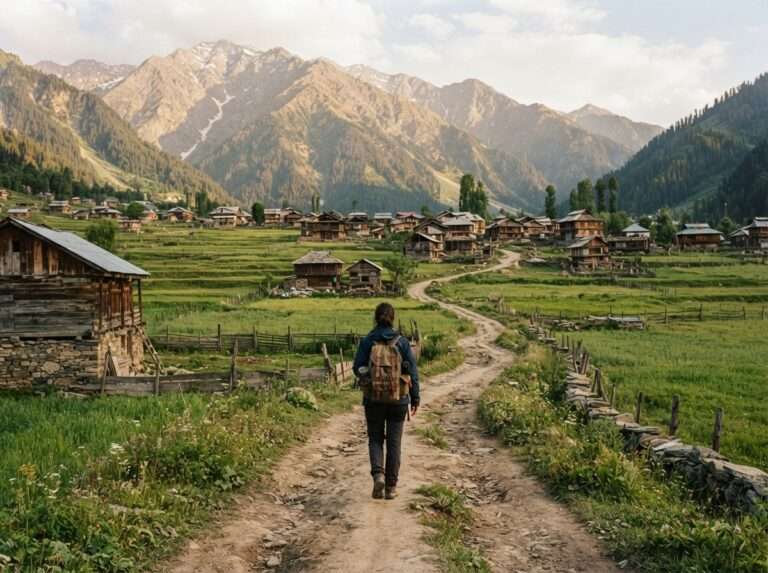
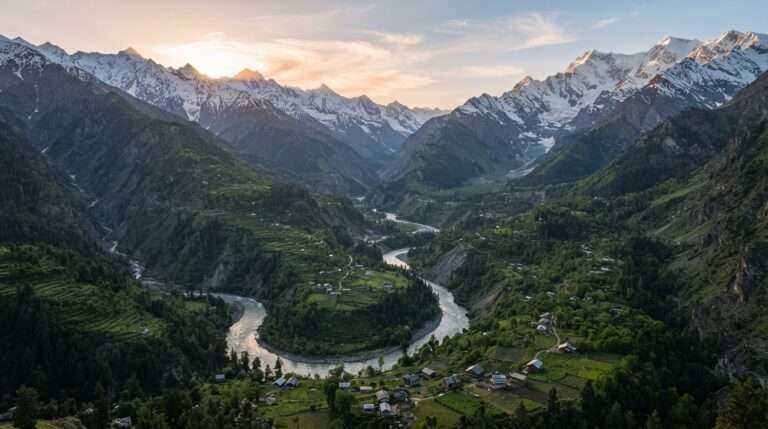
Tulail is the valley beyond Gurez, roughly 40 to 60 km further up the Kishanganga from Dawar. It is greener and even quieter than Gurez, with small Dard villages like Badoab and Sheikhpora and almost no tourist infrastructure. You reach it only after you have crossed the Razdan Pass into Gurez, so treat it as an add-on for people who want the far end of the road. Carry cash and fuel; there is little of either up here.
| Getting there | 2 to 3 hours (40-60 km) beyond Dawar (Gurez) |
| Base town | Dawar or Tulail |
| Time needed | Day trip from Gurez |
| Don't miss | Upper Kishanganga and Dard hamlets |
10
Bangus Valley
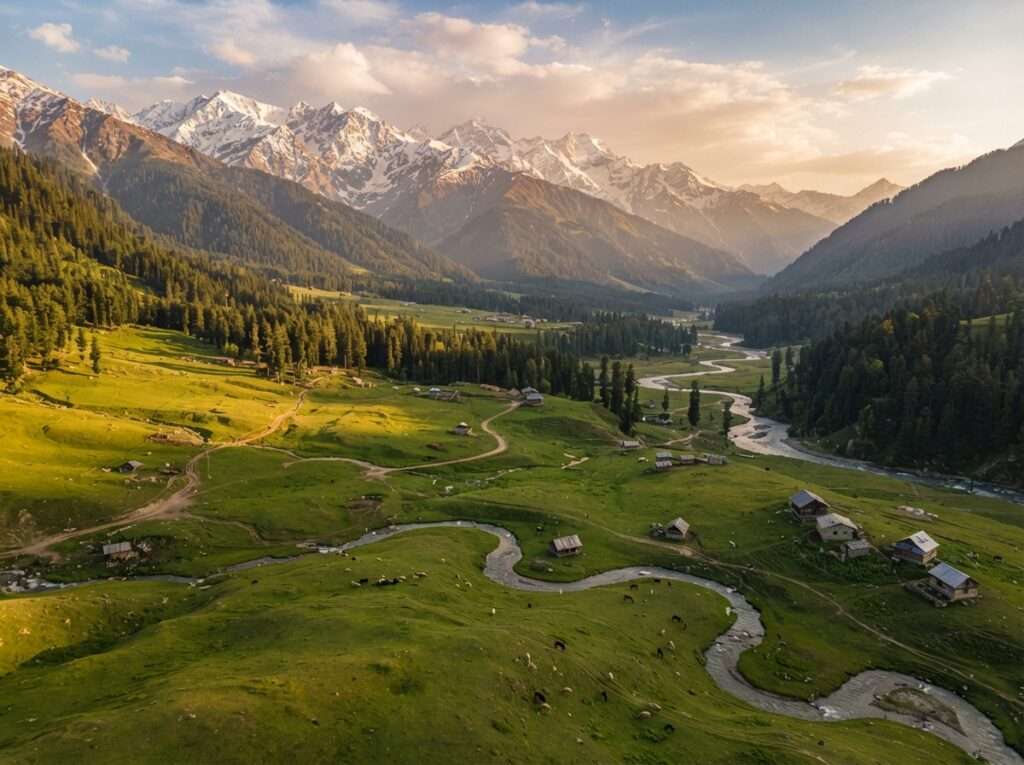
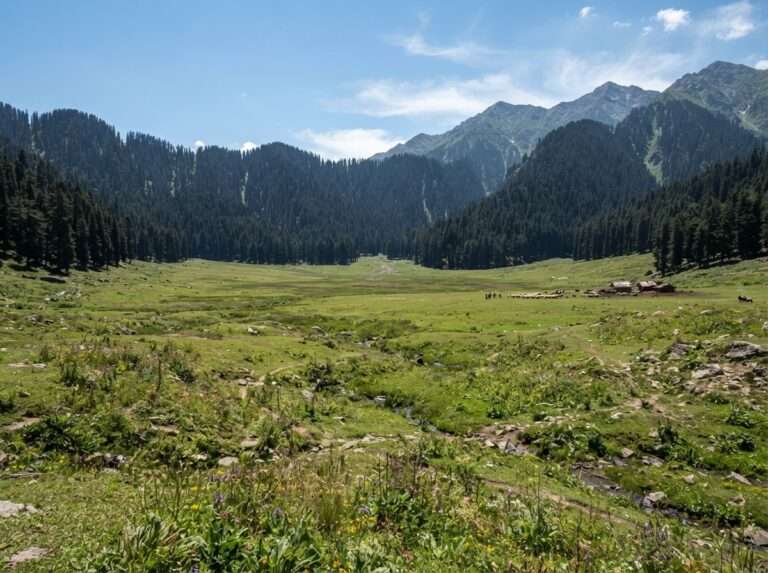
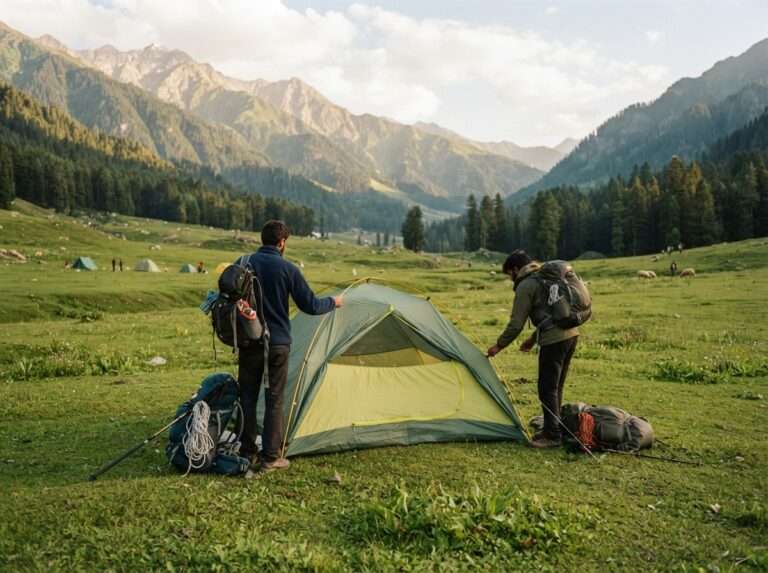
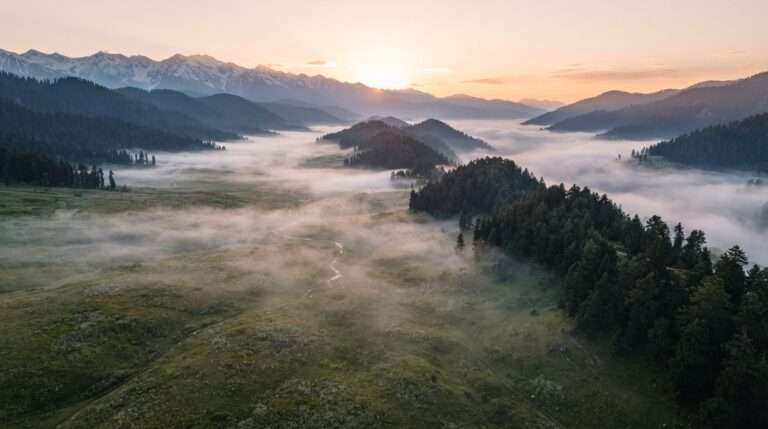
Bangus is a twin bowl of grassland, Bodh Bangus and Lokut Bangus (the big and the small meadow), high above Kupwara in the northwest. There are no hotels in the meadow itself, and the drive from Srinagar can take most of a day, so most people stay near Handwara or Kupwara or camp with an operator. The floor is flat, treeless meadow ringed by conifer ridges, at its best from June once the access track dries out.
| Getting there | Road via Handwara, then track to the meadow |
| Base town | Kupwara |
| Time needed | Overnight near Handwara, or camp |
| Don't miss | Bodh Bangus, the larger meadow |
11
Lolab Valley
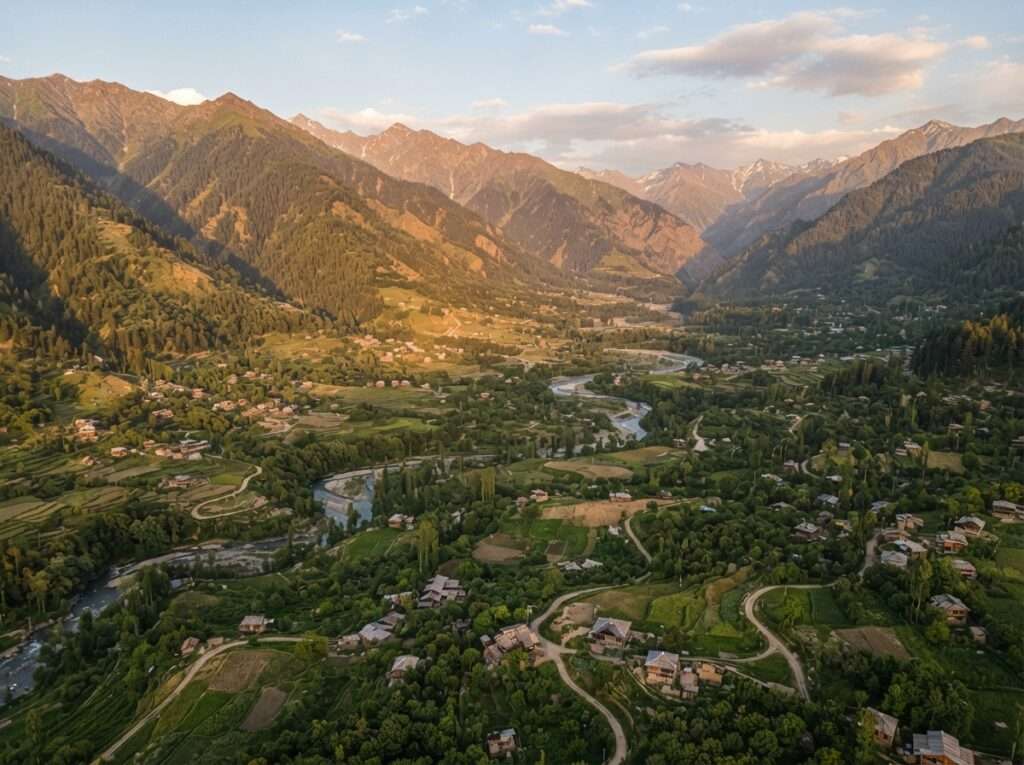
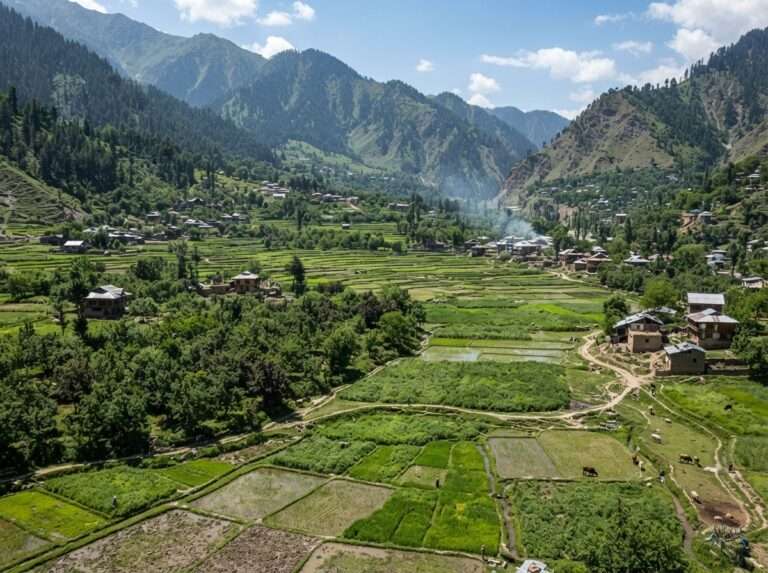
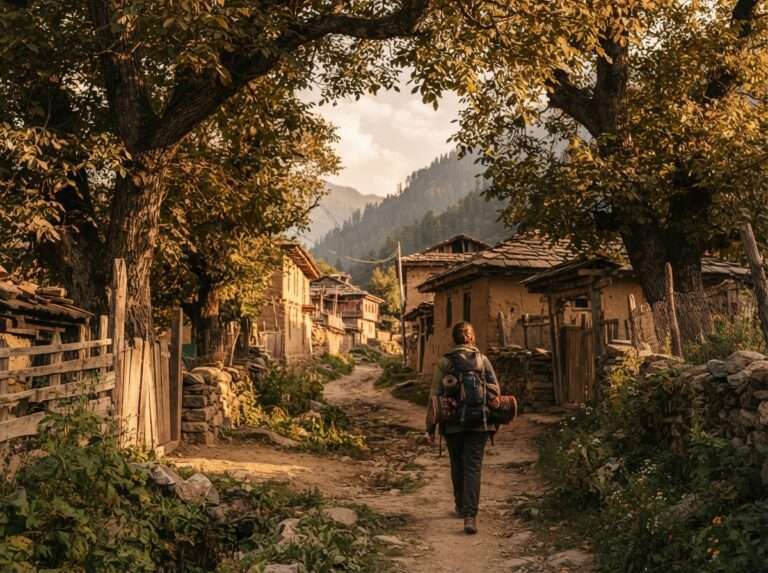
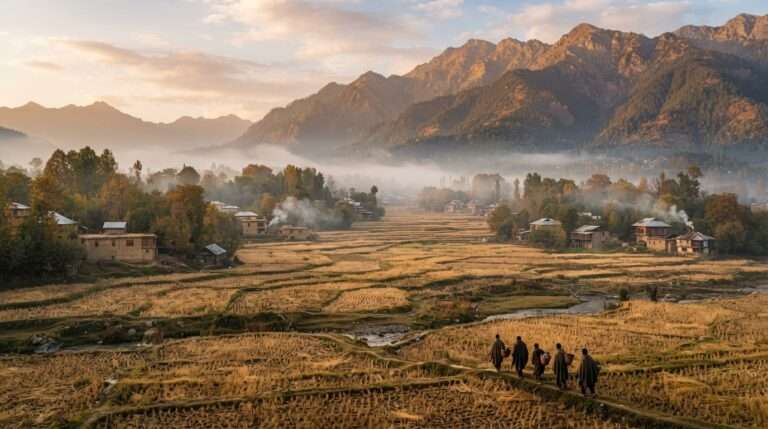
Lolab is a soft, rural valley north of Kupwara town, a patchwork of rice fields, walnut groves and small villages rather than a single viewpoint. The Lalpora and Kalaroos ends hold old springs and the Kalaroos caves. It rewards a slow drive and a stop for tea more than a checklist visit, and it stays accessible later into autumn than the higher offbeat valleys.
| Getting there | About 3.5-hour drive via Kupwara |
| Base town | Kupwara or Lalpora |
| Time needed | Half to full day |
| Don't miss | Kalaroos caves and springs |
12
Keran
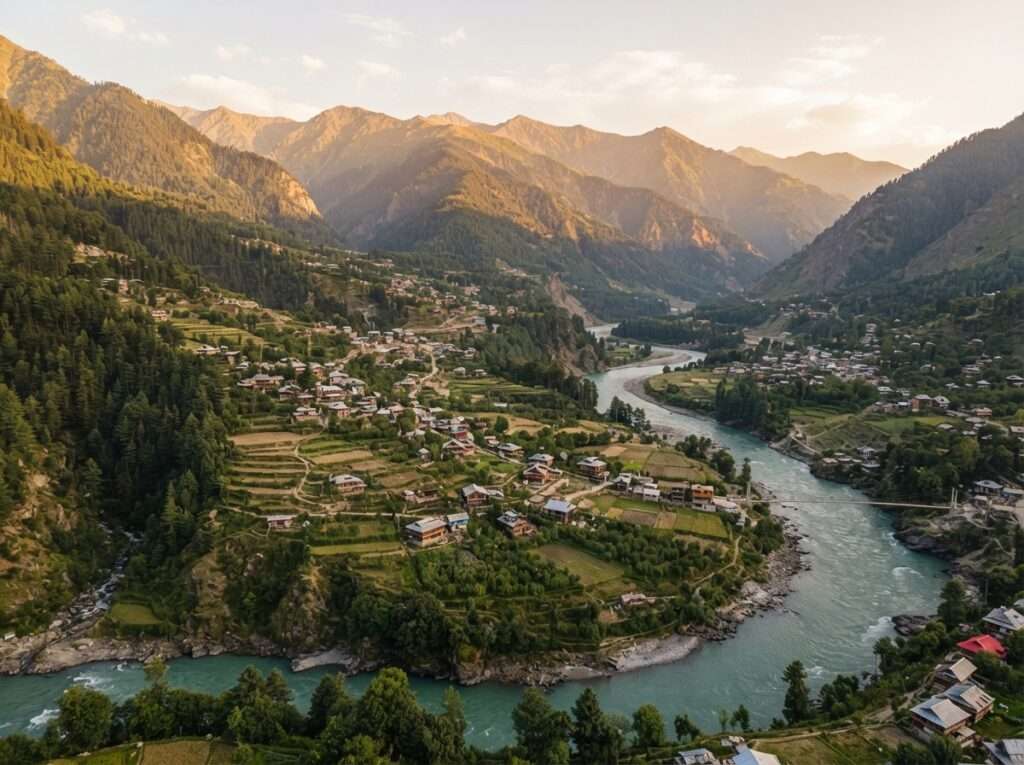
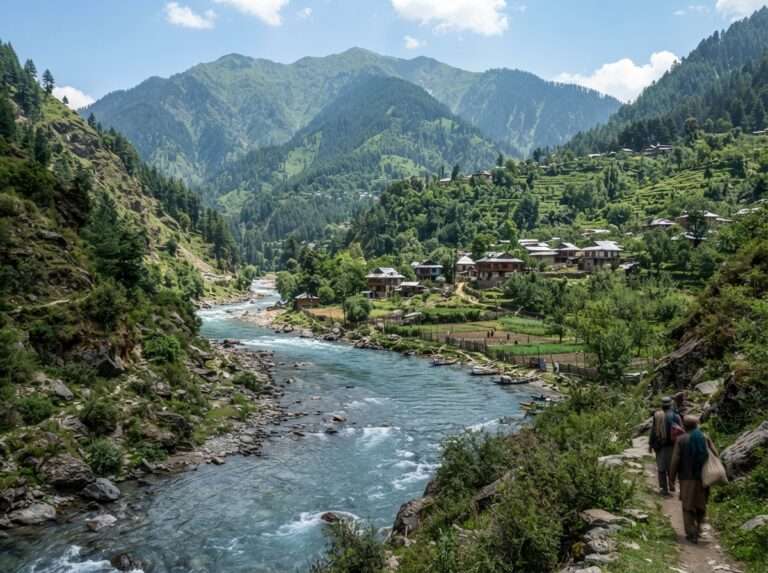
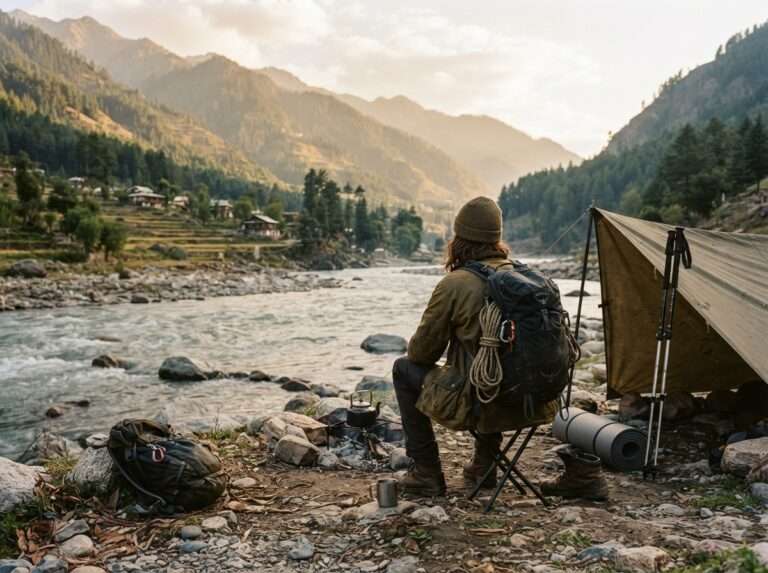
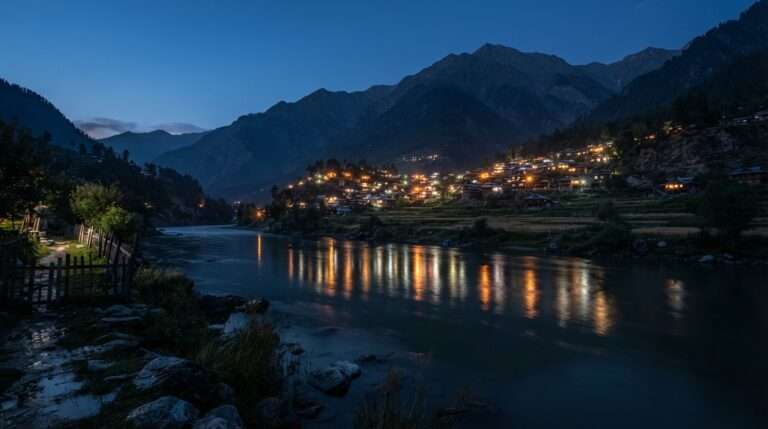
Keran sits right on the Kishanganga (Neelum) River in Kupwara, with the far bank inside Pakistan-administered Kashmir, close enough to see the village across the water. The Indian side has a small strip of guesthouses and riverside camps. Indian visitors need a permit from the Kupwara district administration (applied for online) and must carry Aadhaar or other photo ID with spare photocopies for the checkpoints; foreign nationals are generally not permitted to enter Keran, as it sits directly on the Line of Control. Go with an operator who knows the current process, and treat the 5-hour-plus drive up as part of the experience.
| Getting there | About 5 to 6-hour drive via Kupwara (permit + checkpoints) |
| Base town | Keran |
| Time needed | One night |
| Don't miss | The Kishanganga riverfront |
What and where is the Vale of Kashmir?
The Vale of Kashmir, or Kashmir Valley, is a single large valley in the Union Territory of Jammu and Kashmir, roughly 135 km long and 32 km wide, sitting at about 1,620 m above sea level. It lies between two mountain walls, the Pir Panjal range to the southwest and the Greater Himalaya to the northeast, and the Jhelum River runs its entire length. When people talk about the valleys of Kashmir, they usually mean the smaller side-valleys that branch off this main bowl, each carved by its own river or stream. Those are the 12 valleys covered above.
For the wider picture of the region, start with our Kashmir travel guide.
Best time to visit the valleys of Kashmir
| Season | Months | Valleys open | Best for |
|---|---|---|---|
| Spring | April to early June | Gulmarg, Pahalgam, Yusmarg, Doodhpathri (northern valleys still shut) | Green meadows, full rivers, few crowds |
| Summer | June to August | All 12, including Gurez, Tulail, Bangus and Keran | Peak greenery and the only reliable offbeat window |
| Autumn | September to October | Mid-height valleys; northern passes start closing late in the window | Chinar colours, stable weather, fewer people |
| Winter | December to February | Gulmarg, Pahalgam, Sonmarg (via the Z-Morh tunnel) | Snow days and skiing at Gulmarg |
Spring (April to early June): the meadows green up, the Lidder and Sindh run full with snowmelt, and Gulmarg, Pahalgam, Yusmarg and Doodhpathri are all open and uncrowded. The high northern valleys are still shut.
Summer (June to August): peak season and peak greenery. This is the only reliable window for Gurez, Tulail, Bangus and Keran, once the Razdan Pass and the northern roads clear. Book ahead, because Pahalgam and Gulmarg fill up fast.
Autumn (September to October): fewer people, chinar leaves turning, and stable weather for the mid-height valleys. The northern passes start closing towards the end of this window.
Winter (December to February): Kashmir narrows to its snow valleys. Gulmarg becomes a full ski resort, Pahalgam and (since the Z-Morh tunnel) Sonmarg stay reachable for snow days, while Gurez, Tulail, Bangus, Keran and the high meadows close with the snow.
For month-by-month weather, see our guide to the best time to visit Kashmir, and for a snow trip read winter in Kashmir.
How to plan a Kashmir valleys trip
A first Kashmir trip usually works best as a loop out of Srinagar rather than one long point-to-point drive. Here is a simple way to build it.
- Land in Srinagar and spend the first night on a Dal Lake houseboat to settle in.
- Day-trip west to Gulmarg for the gondola and the meadow, returning the same evening or staying over.
- Move to Pahalgam for two nights and use it for Betaab and Aru.
- Head back to Srinagar and take a long day out to Sonmarg (about 80 km each way) for the Thajiwas Glacier and the Sindh River; Pahalgam to Sonmarg direct is too far for a day trip.
- Fit in Yusmarg or Doodhpathri as an easy half-day meadow close to Srinagar.
- Add Gurez or Bangus only if you have two or three extra days and are travelling between late May and early November.
For couples, the Srinagar-based circuit of Gulmarg, Pahalgam and Sonmarg is the classic honeymoon route; the three branch off in different directions, so you pass back through Srinagar between them. Families tend to prefer the shorter meadow days at Yusmarg and Doodhpathri, and trekkers should base themselves in Aru or Gurez.
You can compare routes and costs on our Kashmir tour packages, or start with the wider Kashmir travel guide for the on-the-ground detail on each stop.
Planning your Kashmir valleys trip
The valleys of Kashmir reward a little planning more than a long checklist. Pick two or three that match your season and your pace, base yourself in Srinagar or Pahalgam, and save the northern valleys for a return trip if the passes are still shut.
When you are ready to turn this into real dates and a route, our Kashmir tour packages are fully customisable, and our guide to the best places to visit in Kashmir fills in the stops between the valleys.
FAQs
Frequently asked questions about the valleys of Kashmir
Quick answers on how many valleys there are, the best months, winter access, permits and safety
There is one main valley, the Vale of Kashmir, and dozens of smaller side-valleys inside it. This guide covers the 12 most worth visiting, from popular ones like Gulmarg, Pahalgam and Sonmarg to offbeat ones like Gurez, Tulail and Bangus. Nubra and Dha Hanu, which appear on some lists, are in Ladakh, not Kashmir.
It depends on what you are after. For snow and adventure it is Gulmarg; for classic river-and-pine scenery it is the Lidder Valley around Pahalgam; for quiet it is Gurez. If you have to pick one valley for a first visit, most travellers choose Pahalgam, because it packs the widest range of things to do into a short radius.
April to October covers almost everything. The meadow valleys of Yusmarg, Doodhpathri and Sonmarg are best from May to September, Gulmarg adds a December-to-February ski season, and the northern valleys of Gurez, Tulail and Bangus open only from about late May to early November.
Gurez is the one usually called hidden Kashmir. It sits on the Kishanganga near the Line of Control, reached over the Razdan Pass, and stays cut off by snow for roughly half the year. Tulail, just beyond Gurez, and Bangus in Kupwara are quieter still.
Five to six days covers the main loop of Srinagar, Gulmarg, Pahalgam and Sonmarg comfortably. Add two or three more days if you want to reach an offbeat northern valley like Gurez or Bangus, because each is a full day's drive from Srinagar in either direction.
Yes. Sonmarg is about 80 km from Srinagar and makes a long but doable day trip, with time for the Thajiwas Glacier pony ride. If you are continuing towards Ladakh, though, it is worth staying a night in Sonmarg before you tackle the Zojila Pass.
The main tourist valleys, Gulmarg, Pahalgam, Sonmarg, Yusmarg and Doodhpathri, are established tourist circuits. The border-area valleys like Gurez, Keran and Tulail involve army and police checkpoints with ID checks, and Keran needs a permit from the Kupwara district administration, so it is best to visit those with a local operator who tracks the current rules. Some spots, such as Baisaran above Pahalgam, have stayed closed since 2025, so check local advisories before you go.
Gulmarg, Pahalgam and Sonmarg. From December to February Gulmarg runs as a full ski resort with the gondola up to Apharwat, Pahalgam stays reachable for snow days, and since the Z-Morh tunnel opened in January 2025, Sonmarg does too; only the road on over Zojila closes. Gurez, Tulail, Bangus, Keran and the high meadows are cut off by snow until the passes reopen, usually around late May.
Gulmarg, Pahalgam and Sonmarg are the usual honeymoon trio for their scenery, comfortable hotels and short drives between them, and many couples add a Dal Lake houseboat night in Srinagar. See our Kashmir honeymoon packages for ready-made versions of this route.
For Keran, yes. Indian visitors need a permit from the Kupwara district administration, applied for online, and must carry Aadhaar or other photo ID with spare photocopies for the checkpoints; foreign nationals are generally not permitted, as Keran sits directly on the Line of Control. Gurez and Tulail involve army and police ID checks, so travel with an operator who tracks the current rules.
Baisaran, the meadow above Pahalgam, is the spot most often called Mini Switzerland, though it has been closed to visitors since 2025, so check its status locally before you plan around it. Yusmarg and Sonmarg occasionally pick up the same nickname for their open meadows.