Grishneshwar Mandir In Aurangabad Is A Paradise For Travellers And Devotees
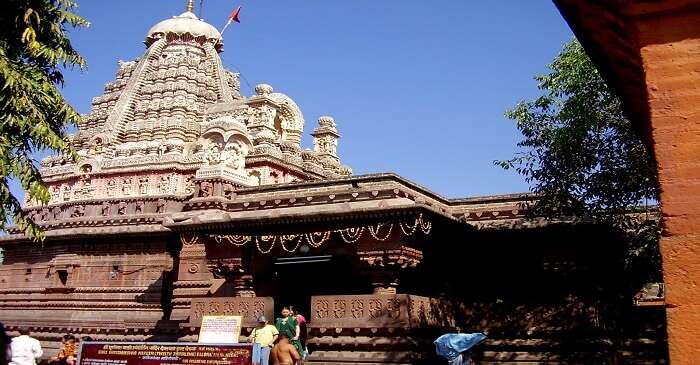
The Aurangabad Grishneshwar Temple is an ancient shrine dedicated to Lord Shiva and is revered as the last of the 12 Jyotirlingas in India. A Jyotirlinga, meaning “pillar of light,” is considered one of the most sacred shrines of Lord Shiva and holds a special place in the hearts of devotees, as it is believed that Lord Shiva himself visited these holy sites in ancient times. Anyone aspiring to complete the pilgrimage of all 12 Jyotirlingas must include the Aurangabad Grishneshwar Mandir on their list. Though it is the smallest among the Jyotirlingas, the temple radiates immense spiritual energy and offers a peaceful retreat. The Grishneshwar Jyotirlinga Temple, Aurangabad also houses shrines dedicated to Lord Vishnu, Lord Ganesha, and Goddess Durga, making it a holistic spiritual destination worth adding to your bucket list.
Architecture Of The Mandir
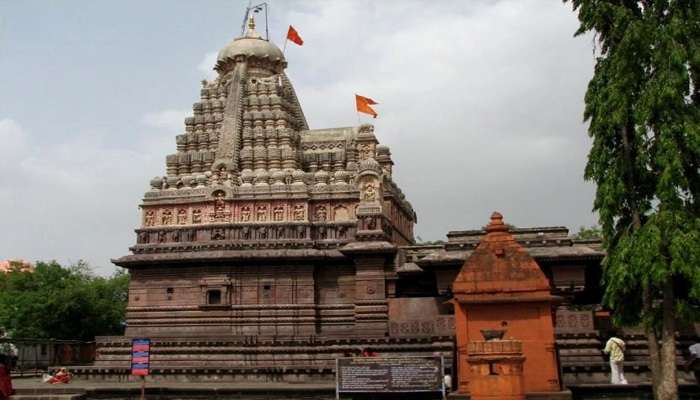
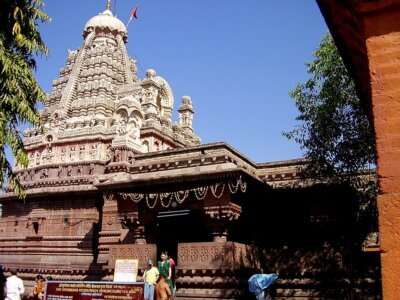
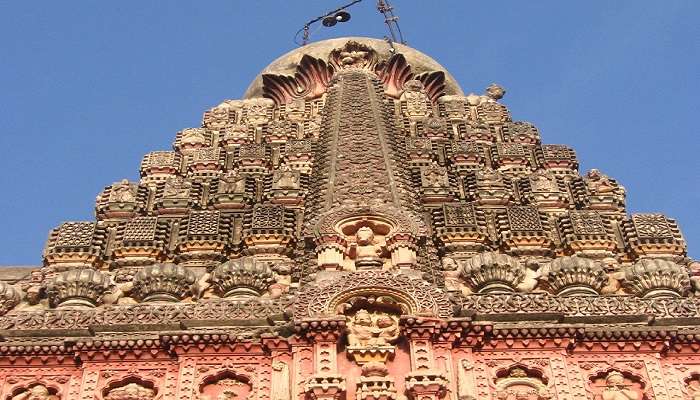
The architecture of the Aurangabad Grishneshwar Temple is a marvellous example of medieval Indian temple design. Adorned with intricate carvings, the temple reflects extraordinary craftsmanship and devotion. Historical accounts mention that Queen Ahilyabai Holkar of the Holkar dynasty rebuilt this sacred shrine in the 18th century after the decline of the Mughal empire. Constructed from red rocks, the Aurangabad Grishneshwar Mandir features a five‑tier spire or shikara rising gracefully above the sanctum. Its court hall rests on 24 beautifully carved pillars, each depicting legends and mythological stories of Lord Shiva. The temple walls showcase the Dashavatars, or ten incarnations of Lord Vishnu, carved in striking red stone, while the pillars and walls are decorated with engravings that narrate scenes from Hindu scriptures.
The Legend Of Grishneshwar Mandir Jyotirlinga
The Aurangabad Grishneshwar Mandir has been mentioned in both the Shiva Purana and Padma Purana. After being destroyed by the Delhi Sultanate in the 13th–14th century AD, the sacred site was redeveloped in the 16th century. Later, Maloju Bhisale of Verul, the grandfather of Maratha ruler Shivaji Maharaj, reconstructed the temple. The current structure, however, was built in the 18th century by Queen Ahilyabai Holkar of Indore, who restored its grandeur after the Mughal decline.
According to legend, a woman named Kusum worshipped Lord Shiva daily by immersing the Shiva Linga in water while singing prayers. Her devotion made her husband’s first wife jealous, leading to the tragic murder of Kusum’s young son. Despite her grief, Kusum continued her worship with unwavering faith. Pleased by her devotion, Lord Shiva restored her son’s life. When Kusum requested Him to remain there forever, Lord Shiva manifested Himself as a Jyotirlinga, and the shrine became known as the Grishneshwar Jyotirlinga Temple, Aurangabad.
Best Time To Visit
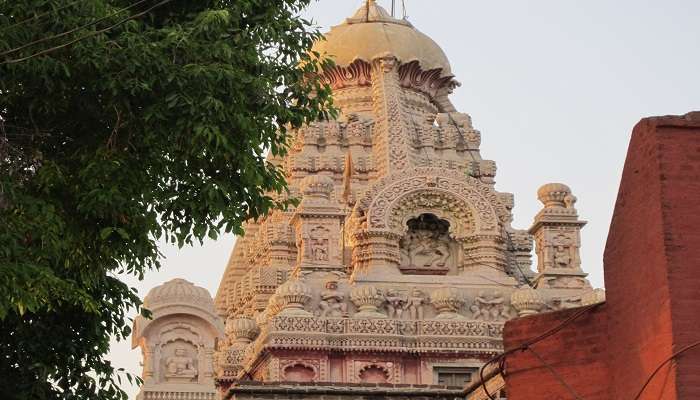
To have a memorable experience at the Aurangabad Grishneshwar Temple, it is best to plan your visit between October and March, the pleasant winter months in India. During this season, the weather is comfortable for outdoor exploration and sightseeing. A particularly auspicious time to visit is during the Mahashivratri festival on February 15, 2026, when thousands of devotees gather to offer prayers and participate in rituals. If you choose to visit the Aurangabad Grishneshwar Mandir during Mahashivratri, keep in mind that the temple complex can get very crowded, so scheduling your trip with extra time and preparation will make the experience smoother and more enjoyable.
Grishneshwar Mandir Services
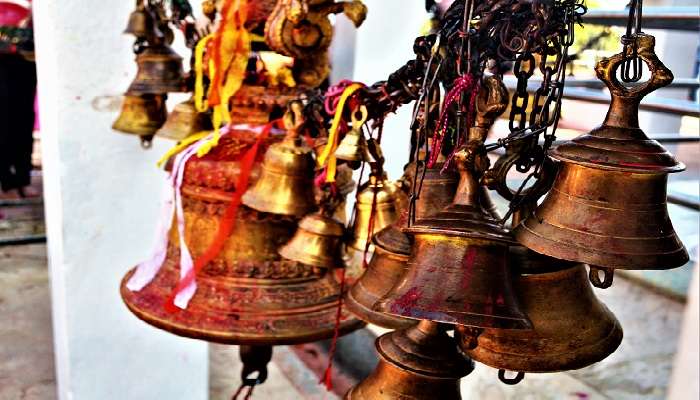
The Aurangabad Grishneshwar Mandir complex offers numerous facilities and services to ensure a comfortable and fulfilling experience for devotees. Aarti ceremonies are conducted throughout the day, following traditional rituals that create a deeply spiritual atmosphere. Visitors can choose from several pooja services at the shrine, including abhishekam, Archana, and other special offerings to seek divine blessings.
The temple also provides accommodation for overnight stays or extended visits, making it easier for pilgrims to immerse themselves in worship. Annadanam, the free food service, is offered to all devotees, while information counters and assistance desks are available for guidance and support.
Aarti timings at the Grishneshwar Jyotirlinga Temple, Aurangabad, vary depending on the season and festivals. The daily schedule begins with Mangal Aarti at 4:00 AM, followed by Jalhari Sanghan at 8:00 AM. Devotees can partake in maha prasad at midnight. Sandhya Aarti, the evening prayer, is performed at 7:30 PM, and Shayan Aarti, the final ritual of the day, takes place at 10:00 PM.
Places To Visit Nearby
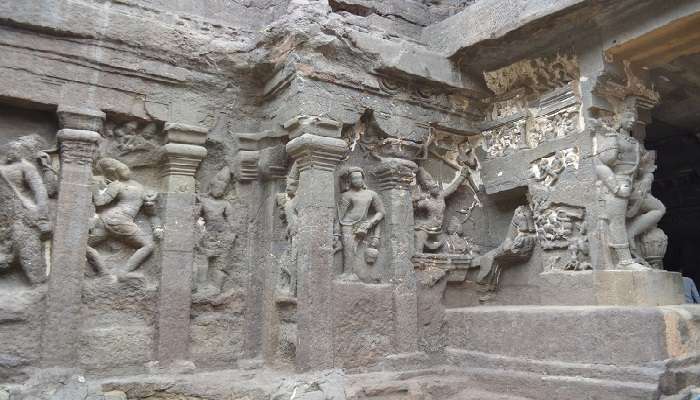
- Ellora Caves: A world-famous tourist destination and UNESCO World Heritage site, Ellora Caves are rock caves with intricate religious carvings.
- Ajanta Caves: Also a UNESCO World Heritage site, Ajanta Caves showcase Buddhist rock monuments.
- Bibi Ka Maqbara: Fondly called the ‘Taj of the Deccan,’ Bibi Ka Maqbara is a mausoleum built by the Mughal Emperor Aurangzeb in the loving memory of his wife.
- Daulatabad Fort: Perched on a hill, this ancient fort offers scenic views of the nearby area and makes it a must-visit destination.
Local food Near Grishneshwar Mandir

Visitors looking for a sumptuous meal around the Aurangabad Grishneshwar Mandir will find plenty of delicious options to enjoy. The area surrounding the temple offers authentic Maharashtrian cuisine, allowing devotees and travelers to indulge in local flavors after their spiritual retreat. Popular dishes include poha, sabudana vada, kanda bhaji, puran poli, and several other regional specialties that reflect the rich culinary heritage of Maharashtra. Whether you are visiting the Grishneshwar Jyotirlinga Temple in Aurangabad for devotion or exploration, the nearby eateries provide a perfect way to complete your experience with hearty, traditional meals.
How To Reach

The Aurangabad Grishneshwar Temple can be easily reached by road, making it convenient for devotees and travelers alike. Aurangabad city, located just 3 kilometres away, is well‑connected through Maharashtra State Transport buses, ensuring smooth access for visitors. Since Ellora is a popular tourist destination, frequent buses operate daily to the Ellora Caves, which are located close to the temple. In addition, regular taxi services are available from Aurangabad, providing a quick and comfortable way to reach the Aurangabad Grishneshwar Mandir for your spiritual journey.
Whether you are traveling for spiritual purposes or simply for exploration, Maharashtra offers an incredible array of scenic and cultural places to discover. With all the essential information about the Aurangabad Grishneshwar Temple now at hand, you can plan your trip to Aurangabad and experience the divine aura of this revered shrine dedicated to Lord Shiva. A visit to the Aurangabad Grishneshwar Mandir not only completes the Jyotirlinga pilgrimage but also provides a peaceful retreat surrounded by history, devotion, and the vibrant heritage of Maharashtra.
For our editorial codes of conduct and copyright disclaimer, please click here.
Image Sources: Wikimedia Commons, Facebook, Pexels and Pixabay.
FAQs About Grishneshwar Mandir
What is the legend of the Grishneshwar mandir?
The Aurangabad Grishneshwar Mandir was rebuilt by Maloju Bhisale in the 16th century and later by Queen Ahilyabai Holkar in the 18th century. A legend tells of Kusum, whose devotion pleased Lord Shiva, leading Him to manifest as the Grishneshwar Jyotirlinga Temple in Aurangabad.
What are the Jyotirlingas?
There are 12 sacred shrines of Lord Shiva, called “pillars of light,” mentioned in Hindu scriptures.
Which Jyotirlinga to visit first?
The Somnath temple in Gujarat is considered the first of the 12 Jyotirlingas.
Which Jyotirlinga to visit last?
The Aurangabad Grishneshwar Temple is regarded as the last Jyotirlinga in India.
What is the timing of the Grishneshwar mandir?
The Aurangabad Grishneshwar Mandir is open daily from 7:00 AM to 8:00 PM.
People Also Read:
Managaladevi Temple Jambukeswarar Temple Vindhyachal Mata Mandir

With over 6 years of experience researching, exploring, and writing about destinations across India, I create travel guides that combine firsthand experiences, thorough research, and practical planning advice. My goal is to help travellers discover new destinations, plan smarter itineraries, choose the right transportation and accommodations, and travel with confidence.