Discover The Enchanting Secrets Of Trimbakeshwar Temple In 2026
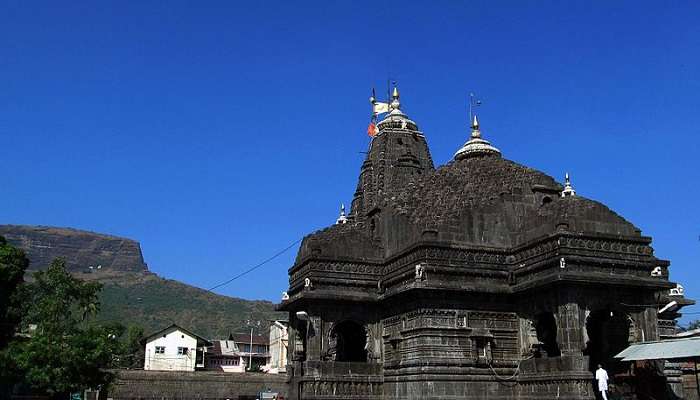
Nestled in the ancient town of Trimbak, close to the bustling city of Nashik in Maharashtra, the revered Trimbakeshwar Temple stands as one of the twelve Jyotirlingas, the holiest abodes of Lord Shiva. Steeped in mythology and history, the Trimbakeshwar Temple in Nashik draws pilgrims and travellers alike to experience its divine aura and architectural splendour. Beyond its spiritual importance, the temple holds a unique geographical distinction as the origin of the Godavari River, India’s second‑longest river. This makes the Nashik Trimbakeshwar Temple a destination cherished not only by devotees but also by nature enthusiasts. Surrounded by serene landscapes and enriched with cultural heritage, it offers an unforgettable experience to all who visit.
Unravelling The Legend Of Trimbakeshwar
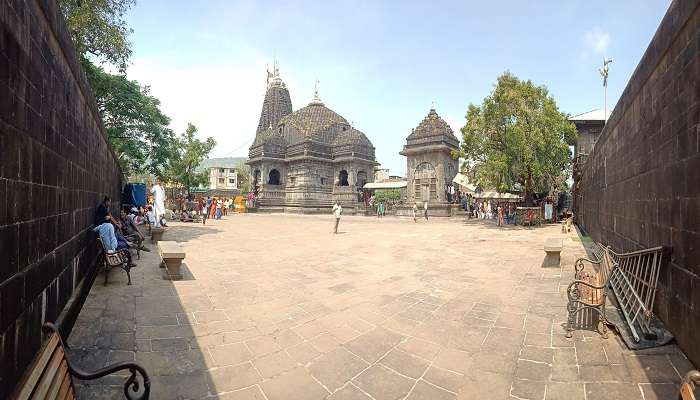
The Trimbakeshwar Temple is steeped in ancient legends and revered myths. According to Hindu belief, this sacred site marks the place where Lord Shiva manifested as the Trimbakeshwar Jyotirlinga, a radiant pillar of light symbolising the divine energy of the universe. The name itself, derived from Sanskrit, “Tri” meaning three, “Ambaka” meaning eye, and “Ishwar” meaning God, refers to the three‑eyed form of Lord Shiva. Another legend tells that the holy Godavari River originated from the matted locks of Lord Shiva, flowing through the Brahmagiri Hills to nourish the land below. This divine connection makes the Trimbakeshwar Temple in Nashik not only a Jyotirlinga shrine but also a site of immense natural and spiritual sanctity. For devotees and travellers alike, the Nashik Trimbakeshwar Temple embodies both mythological grandeur and geographical significance.
Architectural Marvel: A Testament To Hemadpanthi Craftsmanship
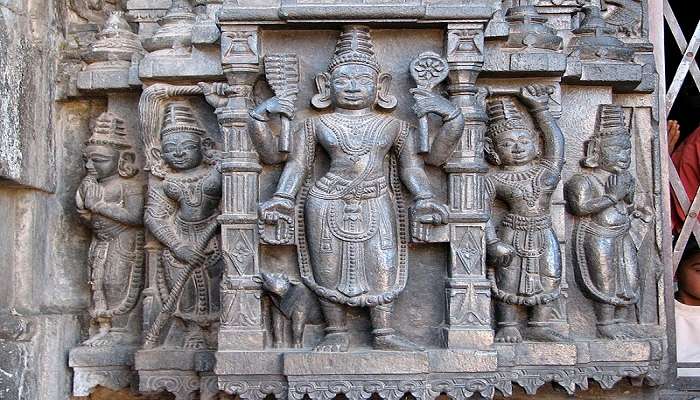
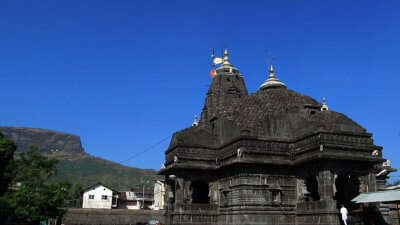
The Trimbakeshwar Temple is a fine example of Hemadpanti architecture, distinguished by its black stone construction, ornate pillars, and intricate carvings. At the heart of the temple lies the sacred Jyotirlinga, a cylindrical black stone symbolising Lord Shiva. This linga is adorned with a jewelled crown believed to date back to the era of the Pandavas, adding a mystical charm to the shrine. Surrounding the main sanctum, the temple complex features several smaller shrines dedicated to deities such as Lord Ganesha, Goddess Parvati, and Lord Vishnu. The beautifully carved walls of the Trimbakeshwar Temple in Nashik depict vivid scenes from Hindu mythology, offering visitors a glimpse into the region’s rich cultural and spiritual heritage. Together, these elements make the Nashik Trimbakeshwar Temple a remarkable blend of devotion, history, and artistry.
Pilgrimage And Rituals
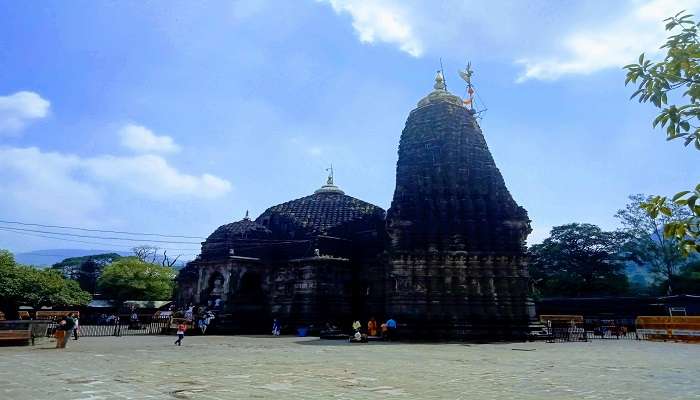
The Trimbakeshwar Temple draws thousands of devotees each year who come to seek blessings and participate in its sacred rituals. The temple is especially renowned for the grand Kumbh Mela, held once every twelve years, when millions of pilgrims gather to bathe in the holy Kushavarta Kund, a sacred pond believed to purify the soul. Alongside this, the Trimbakeshwar Temple in Nashik is also famous for important rituals such as the Narayan Nagbali Puja, performed to appease ancestral spirits, and the Kaal Sarp Yog Puja, conducted to ward off negative planetary influences. These ceremonies, carried out with deep devotion by the temple’s priests, create a spiritually charged atmosphere that makes the Nashik Trimbakeshwar Temple a truly transformative destination for devotees.
Trimbakeshwar In 2026
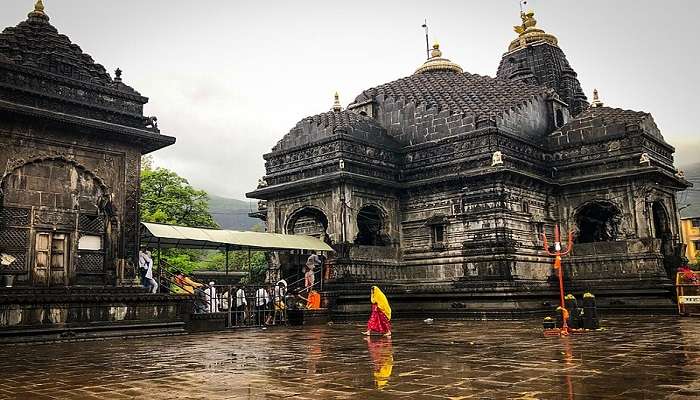
The Trimbakeshwar Temple continues to shine as a beacon of faith and spirituality. In recent years, temple authorities have introduced several initiatives to improve the visitor experience, including enhanced facilities for pilgrims, upgraded security, and a more streamlined darshan process. Whether you are a devout Hindu seeking divine blessings or a traveller eager to explore India’s cultural heritage, the Trimbakeshwar Temple in Nashik offers an enriching journey. With its timeless charm, sacred rituals, and unique blend of religious and natural significance, the Nashik Trimbakeshwar Temple remains a must‑visit destination for anyone exploring the spiritual heart of Maharashtra.
Plan Your Visit: A Journey To Remember
The Trimbakeshwar Temple is well connected by both road and rail, making it easily accessible from major cities across Maharashtra. Open for darshan throughout the year, the temple becomes especially vibrant during festivals such as Mahashivratri and the grand Kumbh Mela. When visiting the Trimbakeshwar Temple in Nashik, it is important to dress modestly and respect the sanctity of the shrine. Photography is strictly prohibited inside the sanctum, though visitors can capture the temple’s stunning exterior and the serene surroundings. With its accessibility and spiritual atmosphere, the Nashik Trimbakeshwar Temple offers a memorable experience for pilgrims and travellers alike.
1. A Photographer’s Delight
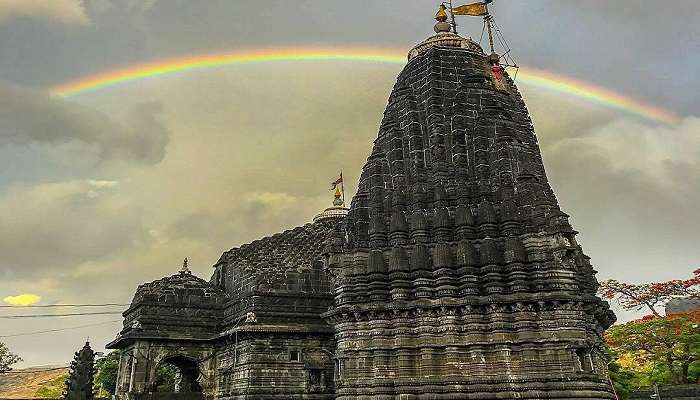
The Trimbakeshwar Temple and its scenic surroundings provide ample opportunities for photography enthusiasts. From the temple’s intricate architectural details to the vibrant rituals and serene landscapes, every corner offers a rich tapestry of subjects to capture. The early morning light is especially enchanting, casting a golden glow over the shrine and the surrounding hills. While visiting the Trimbakeshwar Temple in Nashik, it is important to respect its sanctity by avoiding photography inside the main shrine. However, the temple’s exterior, the sacred Kushavarta Kund, and the peaceful natural backdrop present countless opportunities for stunning images. For travellers and devotees alike, the Nashik Trimbakeshwar Temple is as much a visual delight as it is a spiritual one.
2. A Foodie’s Paradise

No visit to the Trimbakeshwar Temple is complete without indulging in the town’s delicious Maharashtrian cuisine. From spicy curries and flavorful rice dishes to traditional sweets like modak and puran poli, the local food adds a cultural flavour to the pilgrimage. Several restaurants and eateries near the Trimbakeshwar Temple in Nashik cater to every palate, offering both authentic meals and modern variations. For a truly local experience, the bustling markets around the Nashik Trimbakeshwar Temple are perfect for sampling street food favourites such as vada pav, misal pav, and sabudana khichdi. Alongside these, fresh fruits, vegetables, and regional specialities make the culinary journey as memorable as the spiritual one.
3. A Hub for Spiritual Seekers
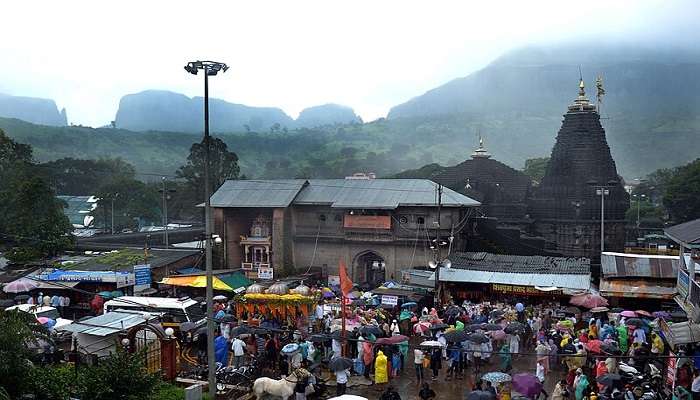
The Trimbakeshwar Temple is more than a sacred shrine; it is a hub for spiritual seekers from all walks of life. The town surrounding the temple is home to numerous ashrams and meditation centres, offering retreats and courses for those seeking inner peace and self‑discovery. Whether you wish to deepen your spiritual practice or simply escape the bustle of city life, the Trimbakeshwar Temple in Nashik provides a tranquil environment for introspection and rejuvenation. The serene landscapes, the rhythmic chants of temple priests, and the gentle flow of the Godavari River together create an atmosphere of profound peace and harmony.
Visiting the Trimbakeshwar Temple is more than just a journey; it is a lifetime experience. It offers a chance to reconnect with your spiritual roots, immerse yourself in age‑old traditions, and witness the beauty of India’s cultural and natural heritage. Whether you are a devout pilgrim, a curious traveller, or a photography enthusiast, the Nashik Trimbakeshwar Temple has something unique to offer everyone. So pack your bags, plan your next trip to Nashik, and let the divine charm of Trimbakeshwar unfold before your eyes.
Visiting Trimbakeshwar is more than just a trip; it’s a lifetime journey. It’s an opportunity to connect with your spiritual roots, immerse yourself in ancient traditions, and witness the beauty of India’s natural and cultural heritage. Whether you’re a devout pilgrim, a curious traveller, or a photography enthusiast, Trimbakeshwar has something to offer everyone. So pack your bags, plan your next trip to Nashik, and let Trimbakeshwar’s magic unfold before your eyes.
For our editorial codes of conduct and copyright disclaimer, please click here.
Image Sources: Wikimedia Commons, Facebook, Pexels and Pixabay.
FAQs About Trimbakeshwar Temple
What is the best time to visit Trimbakeshwar Temple?
The Trimbakeshwar Temple is open year‑round, but the cooler months from October to March are ideal. Pleasant weather makes exploring the temple complex and participating in rituals comfortable. It’s best to avoid the monsoon season (June–September), as the region receives heavy rainfall.
Are there any specific rituals or offerings I should know about?
The Trimbakeshwar Temple in Nashik is renowned for the Kaal Sarp Dosha Nivaran Puja, a ritual believed to alleviate the astrological affliction of Kaal Sarp Dosha. Devotees also offer milk, bilva leaves, and flowers to Lord Shiva. Consulting a temple priest is recommended for guidance on specific rituals and offerings.
Is there a dress code to enter the temple?
Yes, modest attire is required at the Nashik Trimbakeshwar Temple. Men are expected to wear dhotis or pants with a shirt, while women should wear sarees or salwar kameez. Revealing clothes or shorts should be avoided to respect the sanctity of the shrine.
How do I get to Trimbakeshwar Temple?
Located near Nashik, Maharashtra, the Trimbakeshwar Temple is about 30 km from the city. Nashik is accessible by air, train, and road, and from there, taxis and buses are available to reach the temple.
Are there any accommodation options near the temple?
Yes, visitors to the Trimbakeshwar Temple in Nashik will find several hotels, guesthouses, and dharamshalas catering to different budgets. Advance booking is advisable, especially during peak seasons and festivals.
People Also Read:
Sri Venugopalaswamy Temple Omkareshwara Temple Baglamukhi Temple

With over 6 years of experience researching, exploring, and writing about destinations across India, I create travel guides that combine firsthand experiences, thorough research, and practical planning advice. My goal is to help travellers discover new destinations, plan smarter itineraries, choose the right transportation and accommodations, and travel with confidence.