Sissu Waterfall: A Complete Travel Guide to Himachal’s Himalayan Gem
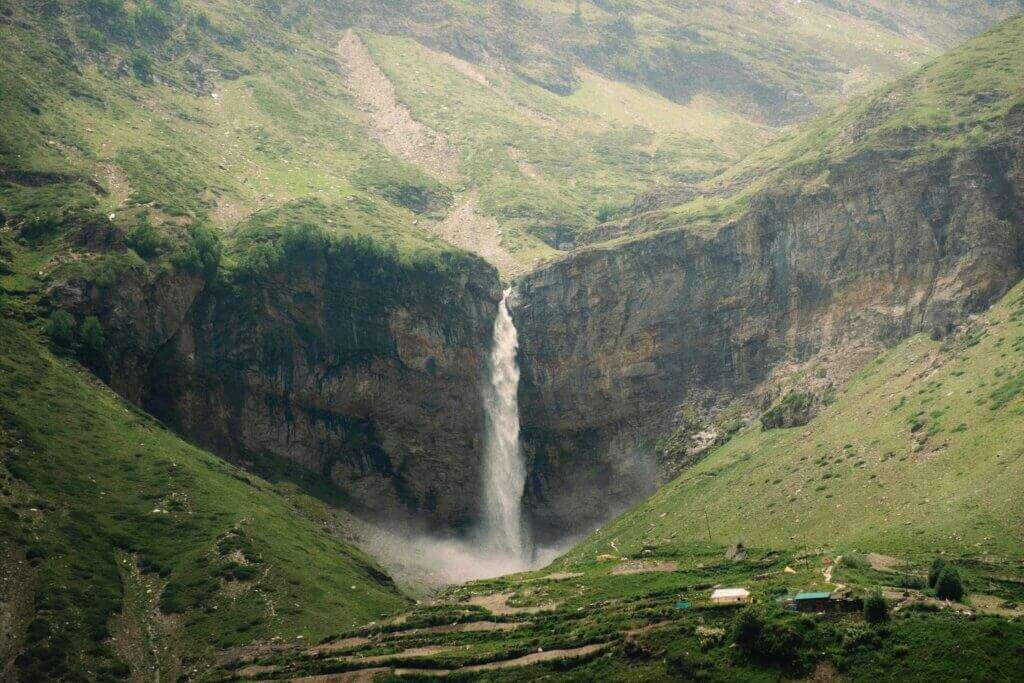
Sissu Waterfall is one of those places that proves you don’t always need long treks or remote expeditions to witness Himalayan beauty. Sometimes, the most breathtaking views are just a short drive away.
If you’re driving from Manali towards Lahaul through the Atal Tunnel, there’s one sight that instantly makes travelers stop their cars and pull out their cameras – Sissu Waterfall.
Flowing down from high Himalayan cliffs and surrounded by snow-covered peaks, this spectacular waterfall is one of the most beautiful natural attractions in Lahaul Valley, Himachal Pradesh. The best part? Unlike many hidden waterfalls in the Himalayas, Sissu Waterfall is easily visible from the highway, making it a perfect stop during a road trip.
Whether you’re on a Manali–Leh road trip, looking for scenic viewpoints, or simply want to spend some quiet time in nature, Sissu offers the kind of raw Himalayan beauty that feels refreshing and peaceful at the same time.
In this guide, we’ll cover everything you need to know about visiting Sissu Waterfall – from the best time to visit and how to reach it to nearby places and things to do.
Overview of Sissu Waterfall
Located in Sissu village in Lahaul Valley, Sissu Waterfall (also called Khagling Waterfall) is one of the most picturesque waterfalls in Himachal Pradesh.
The water comes from melting Himalayan glaciers and cascades down rocky cliffs before eventually joining the Chandra River flowing through the valley. The view of the waterfall against the backdrop of towering mountains and green meadows makes it incredibly photogenic.
What makes Sissu even more special is its location. After crossing the Atal Tunnel, the landscape suddenly changes – lush valleys open up, the mountains look more dramatic, and this beautiful waterfall appears right in front of you.
Because of its easy accessibility and stunning scenery, Sissu has quickly become a popular stop for travelers exploring the Manali – Lahaul region.
Key Highlights of Sissu Waterfall
Location: Sissu Village, Lahaul Valley, Himachal Pradesh
Distance from Manali: About 40 km
Height of the Waterfall: Around 50 meters
Altitude: Approx. 3,100 meters above sea level
Why people visit Sissu Waterfall
- Scenic Himalayan views
- Easy access from the highway
- Short trekking opportunities
- Photography and nature walks
- Peaceful escape from crowded tourist spots
Best Time to Visit Sissu Waterfall
The best time to visit Sissu Waterfall is between May and October, when the weather is pleasant and the roads remain open.
During these months, the waterfall is at its most beautiful because the snow from the surrounding mountains begins to melt, increasing the water flow.
Summer (May – June)
This is the most comfortable time to visit. Clear skies and cool mountain weather make it perfect for sightseeing and road trips.
Monsoon (July – September)
The valley turns lush green during this time, making the scenery even more dramatic. However, travelers should always check weather conditions before planning their trip.
Autumn (September – October)
One of the best times for photographers. The skies are crystal clear and the mountain views are spectacular.
Winters bring heavy snowfall in the region, which can sometimes restrict road access.
How to Reach Sissu Waterfall
Reaching Sissu is part of the adventure, especially if you love road trips through the mountains.
By Road (Best Option)
The most popular way to reach Sissu is by road from Manali via Atal Tunnel.
Route:
Delhi → Chandigarh → Manali → Atal Tunnel → Sissu
Distance from Manali: around 40 km
Travel time: about 1 hour
The drive itself is incredibly scenic, with winding mountain roads, river views, and snow-capped peaks.
By Air
The nearest airport is Bhuntar Airport (Kullu), located around 100 km from Sissu.
From the airport, you can hire a taxi to Manali and then continue your journey towards Sissu.
By Train
The nearest railway station is Joginder Nagar, around 160 km away. From there, travelers usually take a bus or taxi to Manali and then drive to Sissu.
Things to Do at Sissu Waterfall
Sissu may look like a small Himalayan village, but there’s plenty to experience here.
- Trek to the Waterfall
For travelers who enjoy short hikes, there’s an easy 2 km trek from Sissu village that takes you closer to the waterfall.
The trail passes through beautiful meadows and small streams, offering stunning views of the surrounding mountains along the way.
Once you reach closer to the waterfall, you’ll feel the cool mist in the air – a refreshing reward after the short walk.
- Photography and Nature Walks
If you enjoy landscape photography, Sissu is a dream destination.
The waterfall, combined with snow-covered peaks, green valleys, and the Chandra River, creates a perfect natural setting for photos.
Early morning and sunset usually provide the best lighting conditions.
Even if you’re not a photographer, simply walking around the area and enjoying the quiet mountain environment is a beautiful experience.
Frequently Asked Questions About Sissu Waterfall
1. Where is Sissu Waterfall located?
Sissu Waterfall is located in Sissu Village in Lahaul Valley, Himachal Pradesh, about 40 km from Manali via the Atal Tunnel.
2. What is the best time to visit Sissu Waterfall?
The best time to visit Sissu Waterfall is from May to October, when the weather is pleasant and the waterfall is at its most scenic.
3. How do I reach Sissu Waterfall from Manali?
You can reach Sissu Waterfall from Manali by car or bike via the Atal Tunnel. The distance is around 40 km and the journey usually takes about 1 hour.
4. Are there places to stay near Sissu Waterfall?
Yes, travelers can find homestays, guesthouses, and campsites in Sissu, Keylong, and Jispa, which are located nearby.
5. Can visitors trek to Sissu Waterfall?
Yes, visitors can take a short and easy 2 km trek from Sissu village to get closer to the waterfall. The area is also great for camping, photography, and exploring nearby lakes and monasteries.

Sanya Sharma is a postgraduate in Geography and currently pursuing an MBA in Travel and Tourism Management. She is passionate about tourism development, cultural exploration, destination branding and creating meaningful travel experiences with a focus on responsible tourism through research and storytelling.